
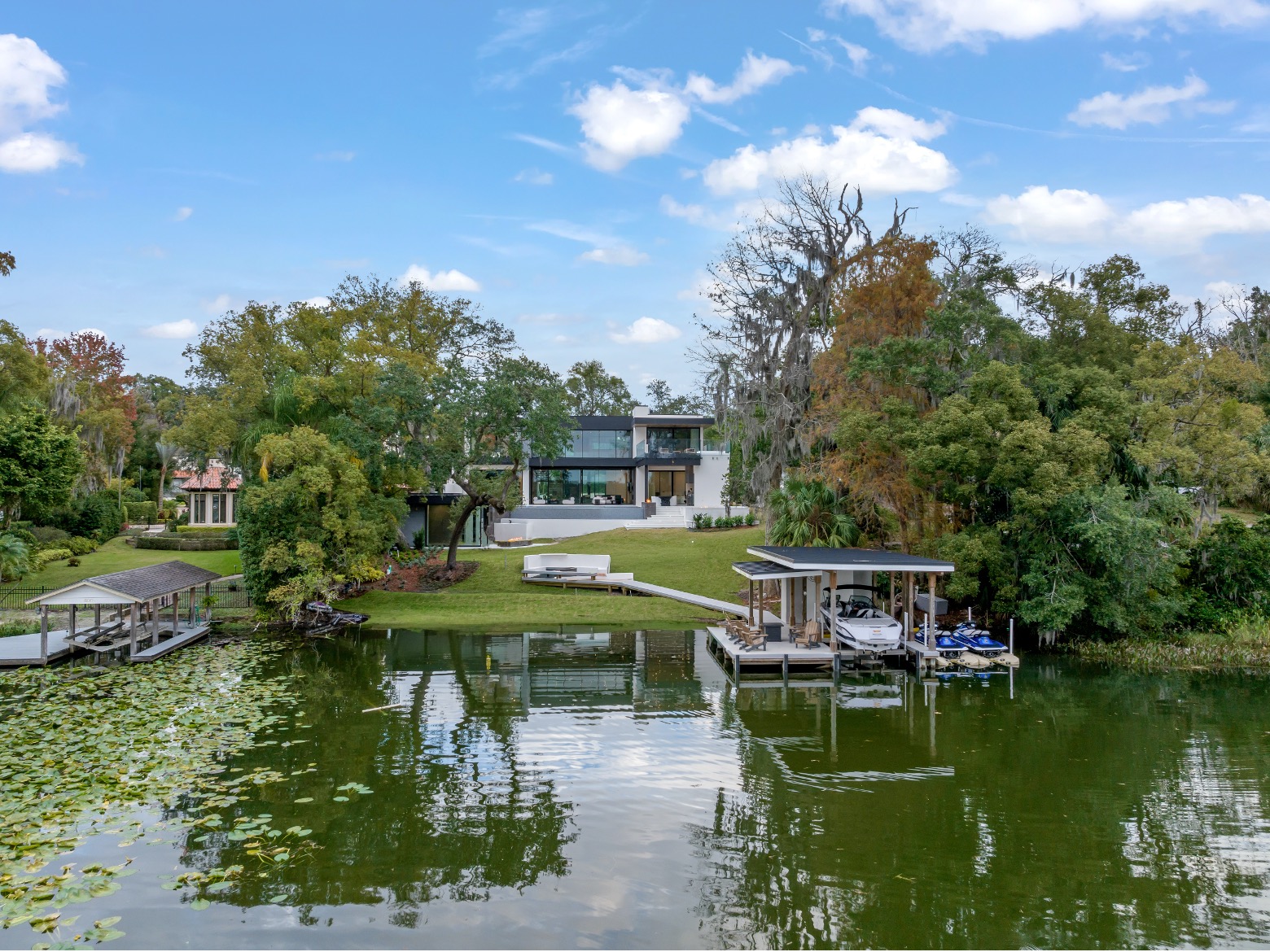
As demand for custom homes continues to evolve across Central Florida, builders are navigating an increasingly complex landscape of structural requirements, building science considerations, material logistics, and regulatory standards. Delivering a successful project today requires not only vision, but also a disciplined approach to planning and execution.
One of the most important elements of modern homebuilding is early-stage technical planning. Long before construction begins, builders must evaluate site conditions, engineering requirements, and building envelope performance to ensure the home will withstand Florida’s climate while maintaining long-term efficiency and durability.
Structural design plays a critical role in this process. From foundation systems to framing methods and material selections, every decision impacts the overall integrity of the home. In coastal and hurricane-prone environments like Florida, these decisions must balance safety, longevity, and performance under extreme conditions.

Another layer of complexity comes from the coordination required between trades and suppliers. Custom homes often involve dozens of specialized partners; each responsible for specific systems such as electrical infrastructure, mechanical systems, insulation, and smart home technology. Ensuring these systems integrate seamlessly requires detailed scheduling, proactive communication, and constant oversight.
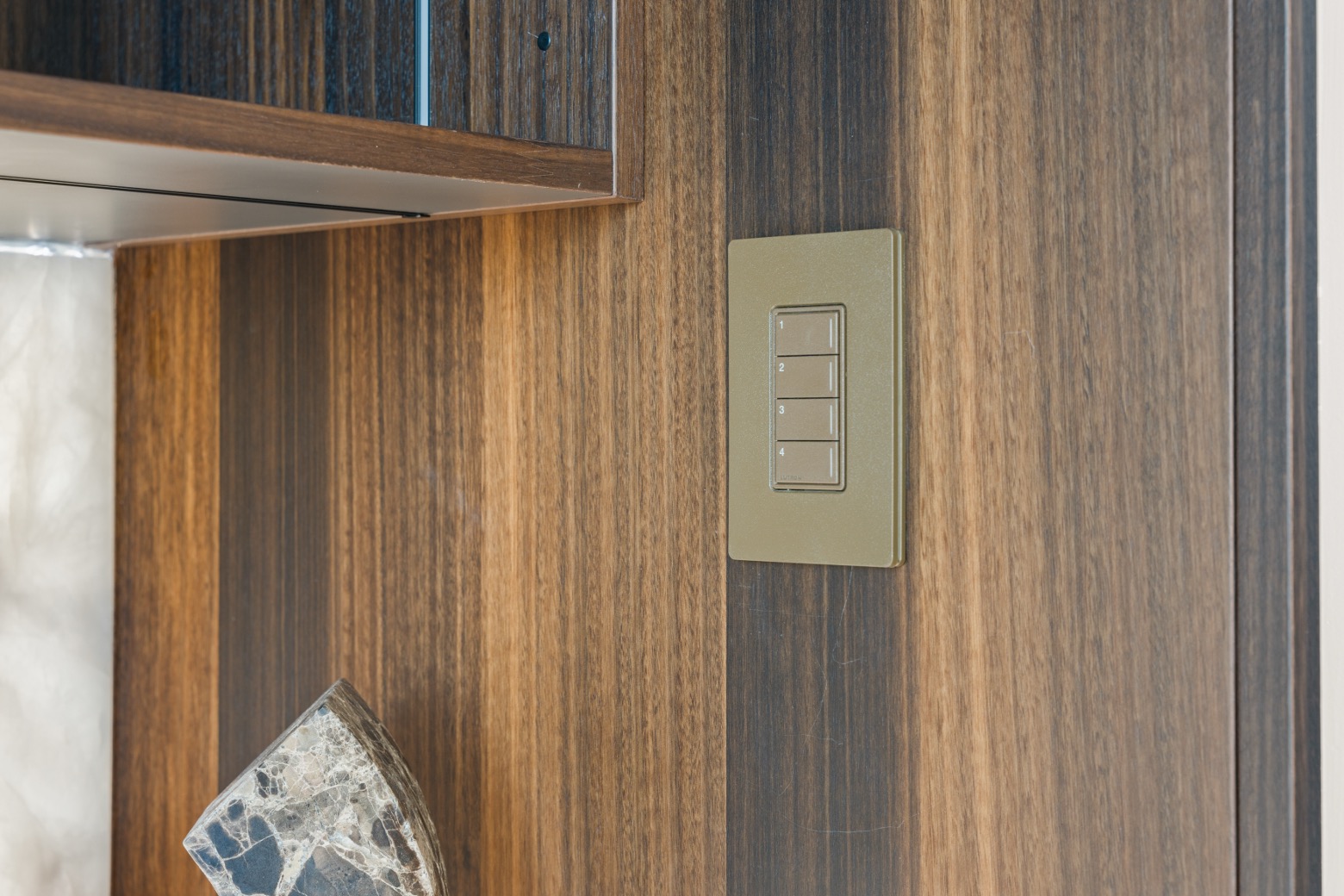
Technology is also reshaping how projects are managed. Digital project management platforms, real-time scheduling tools, and advanced modeling systems allow builders to identify challenges earlier and maintain transparency with clients throughout the construction process.
Ultimately, successful homebuilding comes down to precision. Every detail, from structural alignment to system integration, must be executed correctly to ensure the finished home performs exactly as designed.
While the finished product is what homeowners experience, the real success of a custom home is determined long before the final walkthrough. It’s the result of careful planning, technical expertise, and a disciplined approach to building that prioritizes performance as much as aesthetics.