
The world’s population is getting older.
By 2030, 1 in 6 people in the world will be 60 years old or older. And the number of people 80 years old or older is expected to triple between 2020 and 2050.
As we age, many of us aim to stay in our home for as long as we can. However, traditional home designs for stairs, bathrooms, and even door handles can make living at home more challenging.
Whether you’re building a custom home or considering an aging in place home remodel, many homeowners are applying the principles of universal design to create a more accessible home design.
What is aging in place?
Aging in place means living in a home that’s built for you as you grow older. Accessible home design works with your body’s changing needs, helping you maintain independence, safety, and dignity in your golden years.
Design features that support aging in place can help homeowners live at home longer not only by reducing physical limitations for older homeowners, but also improving the space for caregivers and their young children.
When you design for aging in place, you’re doing more than just planning for the future. You can also build a home that supports multigenerational living for caregivers and their young children, so that your space can adapt to every stage of life.
Benefits of designing for aging in place
Comfort and quality of life
Creating a space that adapts to your needs can ensure emotional security that comes from staying in a neighborhood that you already know. By planning ahead, you might avoid big, disruptive changes to your life.
Safety
Whatever what stage of life you’re experiencing, the guidelines for accessible design can reduce dangers in your home. Secure flooring, preventative handrails, and effective lighting can all minimize the risk of falls, no matter your age.
Cost effectiveness
The cost of home renovations to install accessible home features are often less than long-term care in assisted living. Even better, if you’re building a custom home, incorporating these aging in place features from the start can prevent the need for more expensive retrofits down the line. Plus, homes designed with universal appeal and accessibility in mind often have strong resale value, attracting a wider range of potential buyers in the future.
Aging in place with universal design
To create these accessible homes, aging in place often looks to the principles of universal design. Developed in 1997 by a group of architects, engineers, and product designers, these seven principles were initially created to guide the design of a wide range of environments, products, and communications – not solely residential buildings. However, their focus on creating usable and marketable designs for people with diverse abilities makes them valuable for informing accessible home design.
Universal design principles in housing include features like step-free entries, wider doorways, lever-style handles, and open floor plans that accommodate people of all ages and abilities.
A home built with universal design in mind is often called a lifetime home. Whether you’re aging in place or supporting multigenerational living, planning ahead with a universal design remodel ensures your home remains livable, welcoming, and future-ready.
Design and renovation checklist for aging in place
Doors and handles
Homeowners with arthritis or limited wrist mobility benefit from a switch to door levers. Door levers fit more comfortably in your hand and open and close more smoothly than traditional doorknobs.
Keyless touchpads can replace traditional locks. Similarly, touchless faucets in the kitchen and bathroom can help homeowners with limited grip.
Flooring
Look for non-slip flooring options to minimize falls, but consider flooring that’s even enough to accommodate a wheelchair.
On the other hand, a change in material, texture, or color can also signal a step up or down if your house has level changes, which can help homeowners with impaired vision.
Bathroom
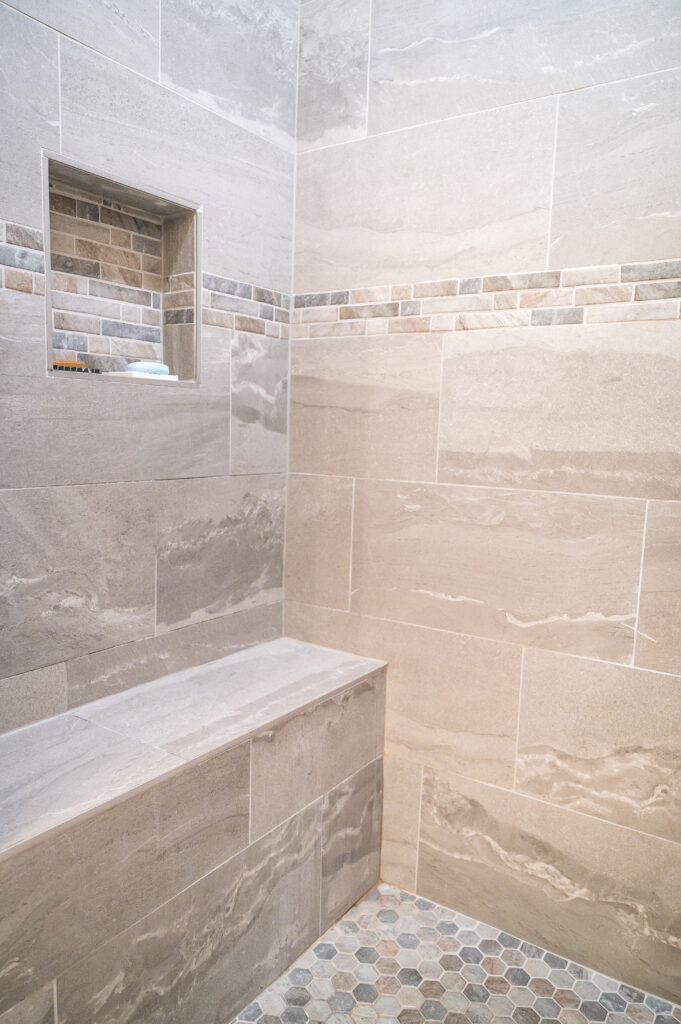
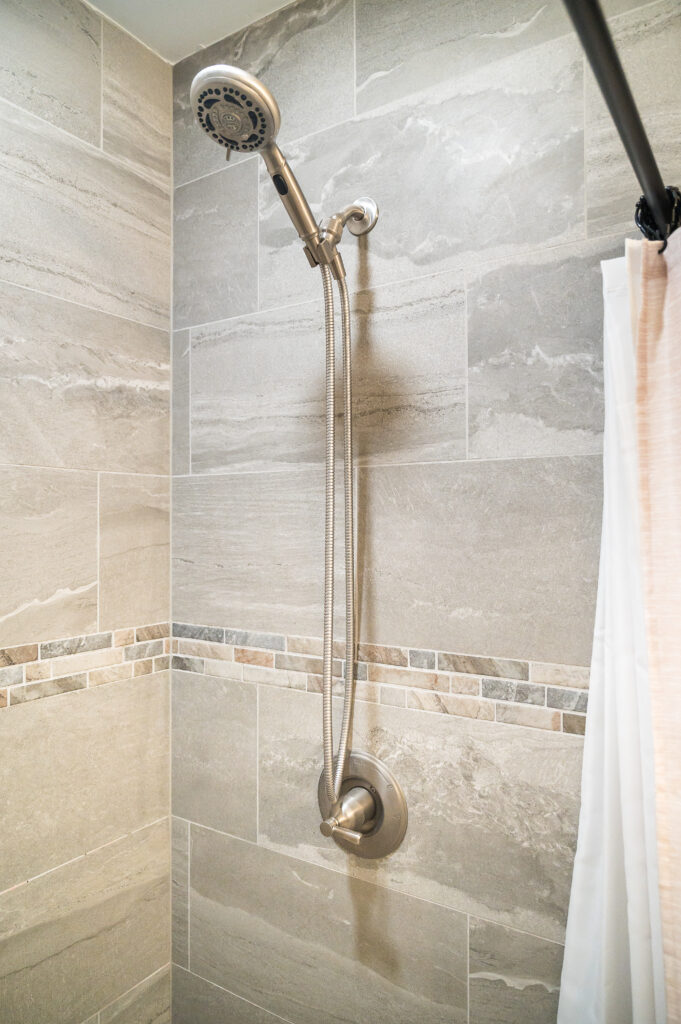
Install bathroom benches, grab bars, and reinforced walls in your shower. A curbless shower, or a shower with no lip or ledge to enter it, can offer easy entry for kids and older adults. Finally, consider handheld shower wands.
Design your bathroom with a wider turning radius around your toilet and consider a raised toilet to increase the height and decrease the required sitting.
Kitchen and living areas
Kitchens are the heart of the home, but they can quickly become challenging if you’re navigating limited mobility, arthritis, or other physical changes.
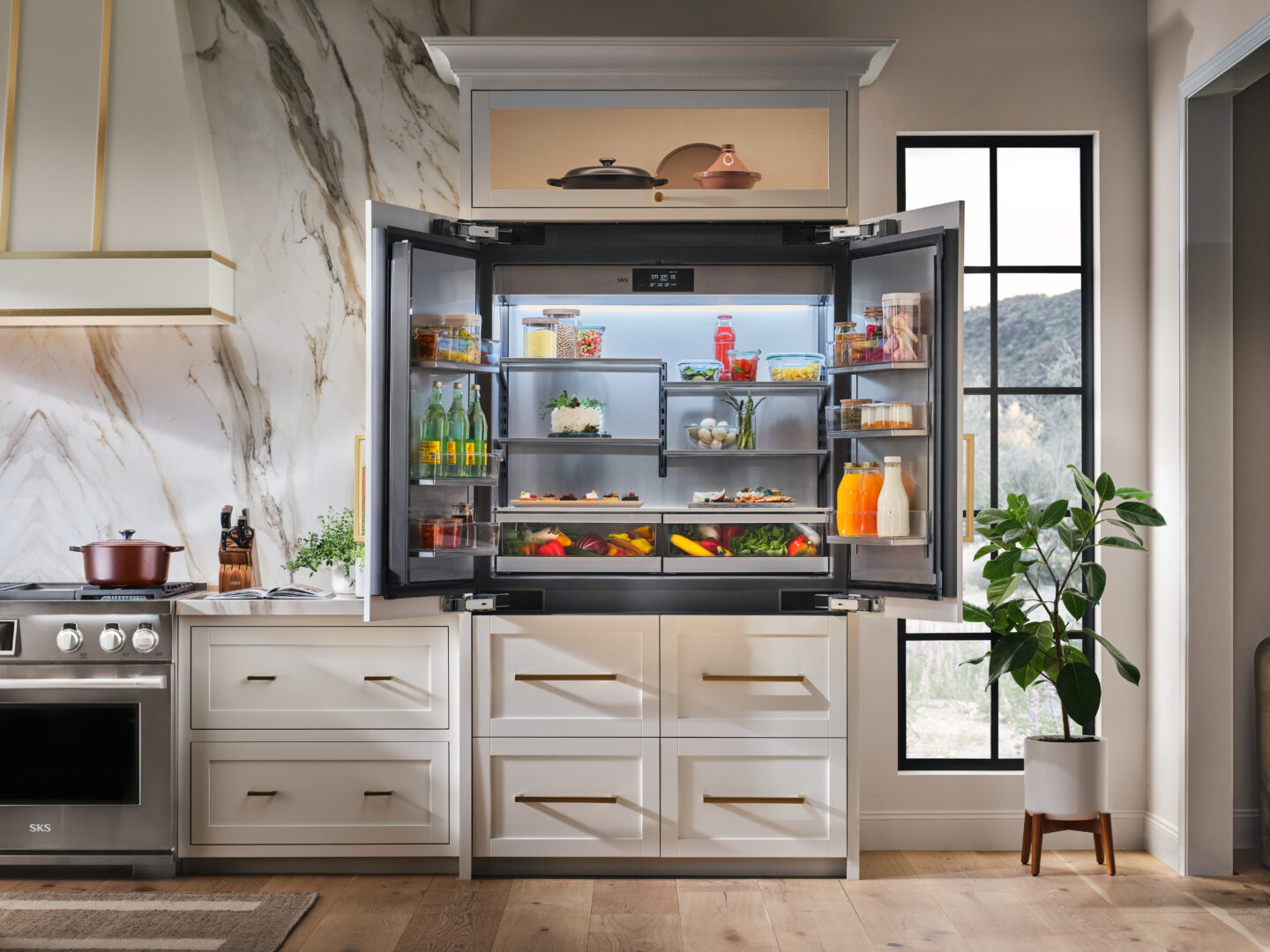
Accessible cabinet systems can help you adapt to changing mobility needs. Pull-out shelves eliminate the need to crouch, and pull-down upper cabinet inserts bring storage within reach. Touch-to-open drawers and D-shaped handles make everyday tasks easier for those with limited grip strength.
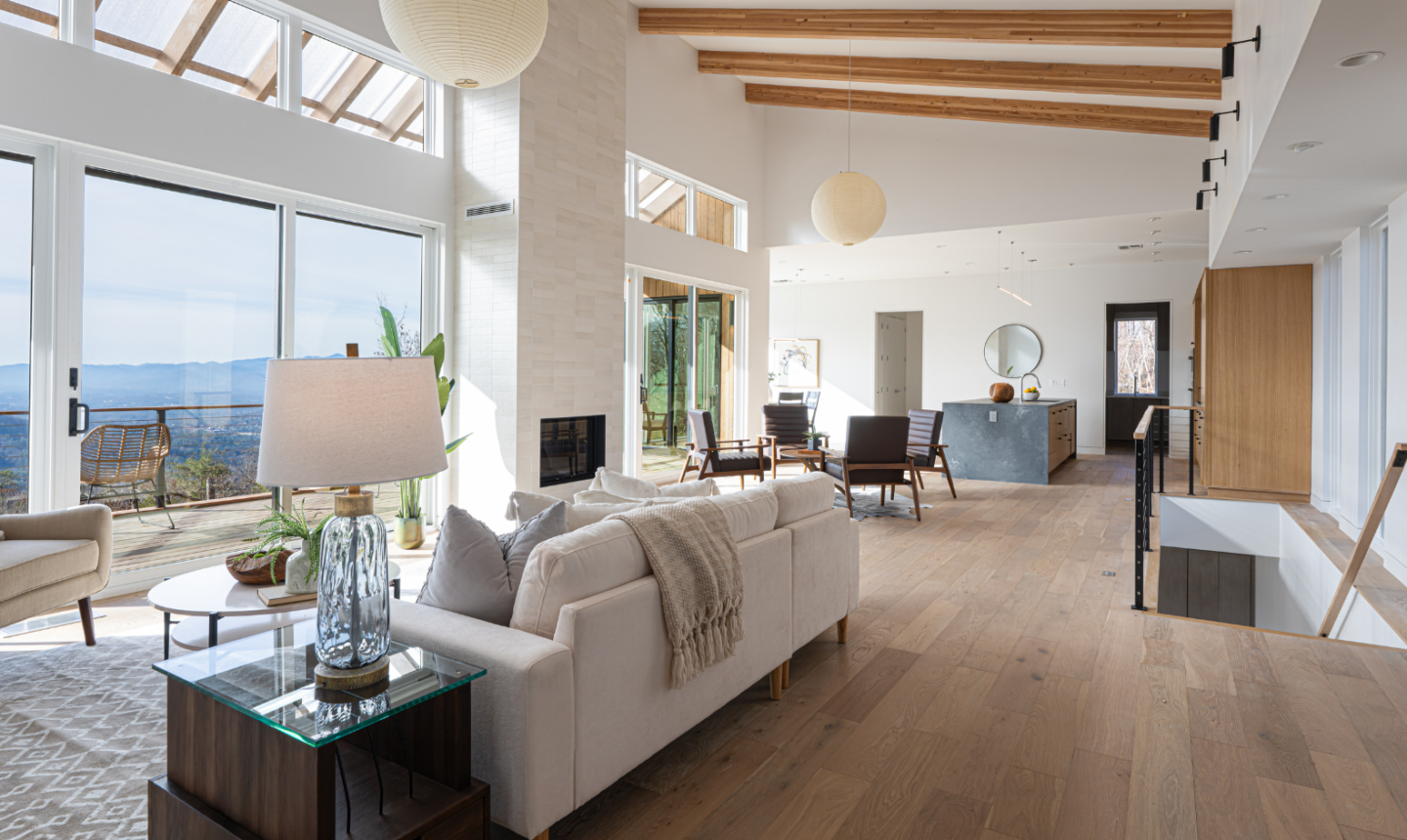
From adjustable-height countertops and open floor plans to increase maneuverability, to accessible cabinet systems and visually contrasting finishes for improved clarity, these upgrades allow the kitchen to remain a hub for gathering and enjoyment.
Whole-home features
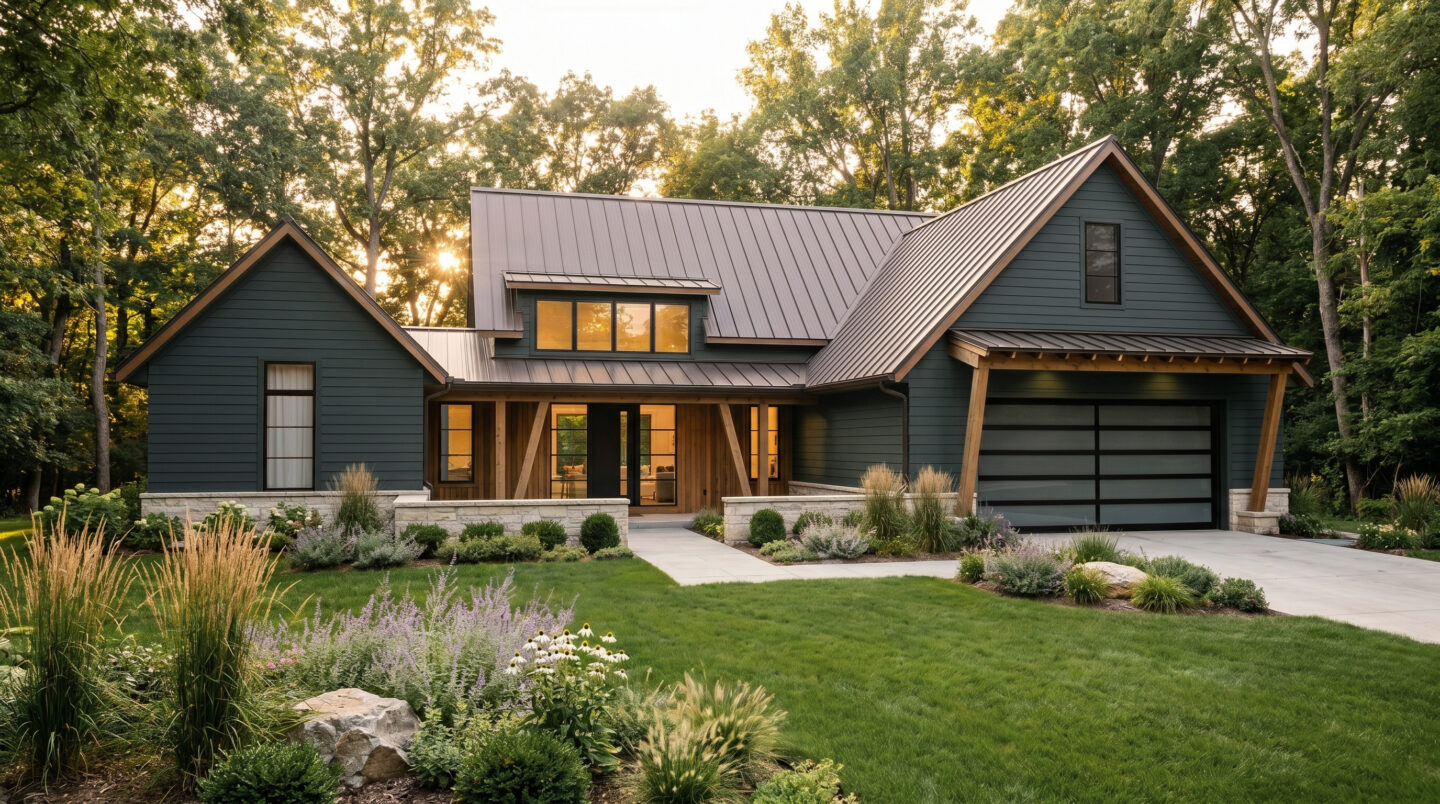
36”-wide doorways, no-step entries, and elevators or stair lifts can ensure accessibility throughout your home. You can integrate support bars and railings across high-use areas, and custom home offices or sanctuary spaces offer continued independence, even as needs change.
Smart technology for lifetime homes
As smart home technology evolves, modern appliances can create a safer, more responsive living space.
Motion-activated lights help reduce falls by automatically illuminating hallways or bathrooms at night. Smart thermostats learn your routine and adjust the temperature for comfort and energy efficiency. Voice assistants like Alexa or Google Home let you control lights, play music, or make calls hands-free, while remote-controlled blinds make adjusting natural light effortless, even from bed.
For those managing health concerns, appliances with monitoring features can provide helpful reminders or track usage. And with mobile-access security systems, you or a loved one can check in on your home anytime, from anywhere. It’s peace of mind powered by modern technology.
Caregiver considerations
A home built for aging in place doesn’t stop with design for the elderly; it should also support caregivers and their families. Flexible guest spaces, barrier-free bathrooms, and dual-access entries can create livable spaces for caregivers, whether they’re family members or professionals.
One way to balance proximity and privacy for caregivers is building an accessory dwelling unit (ADU) on the property. Some cities are encouraging ADUs by lifting restrictions on spacing regulations, offering more affordable housing options for multigenerational families.
These types of thoughtful layouts can improve comfort for everyone, allowing caregiving to happen with dignity, privacy, and ease.