
During the two-day 2026 Green Builder Media Sustainability Symposium, one idea was clear.
The future of housing it’s about what homes cost; it’s about what they deliver over time.
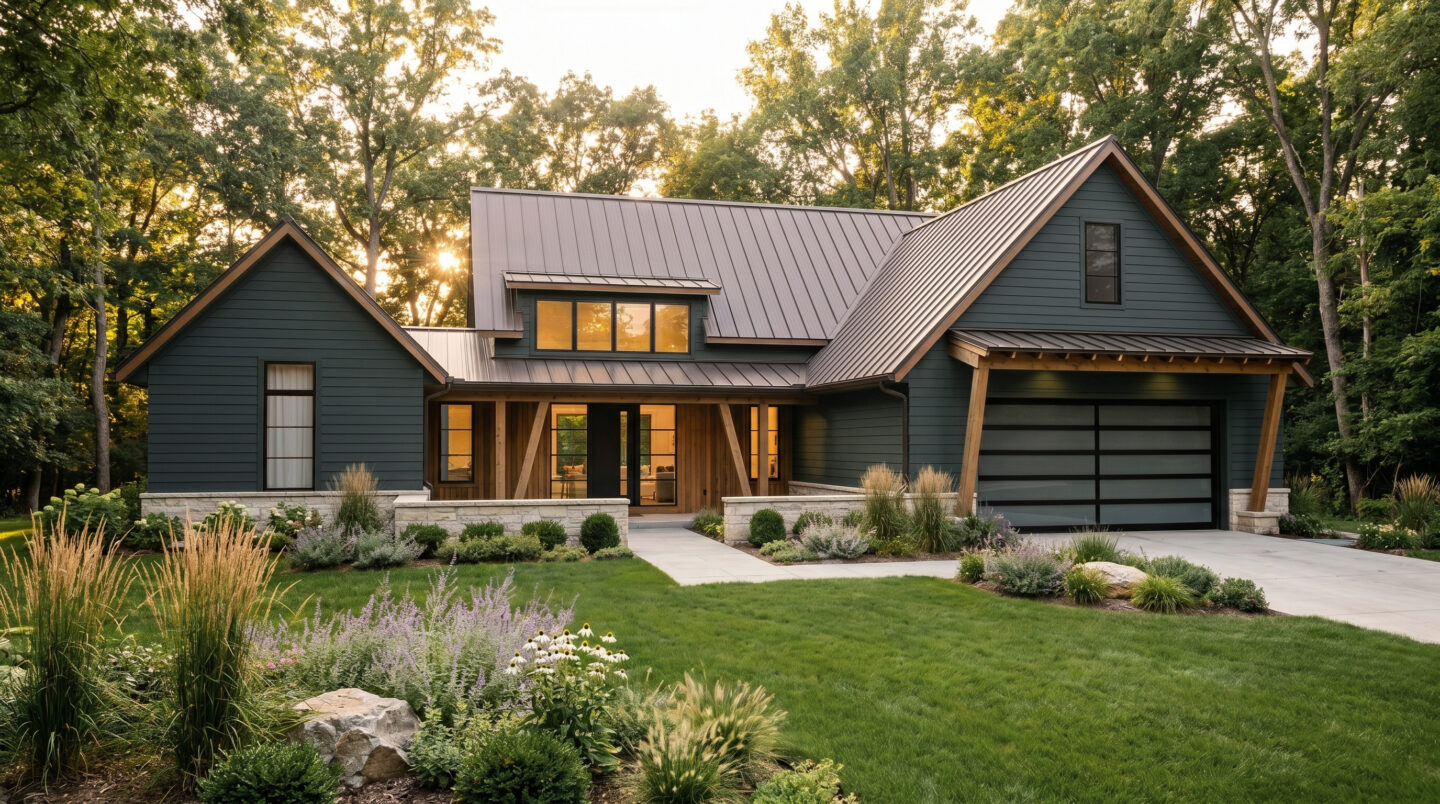
As one of three VISION House builder partners, Brandon Bryant, partner at Alair Asheville | Red Tree, shared how he and the Asheville team are bringing that shift into focus through VISION House: Harmony, a project built around three core pillars that challenge how homes are typically designed and sold.
Value Per Square Foot: Moving Beyond Cost
One of the key themes of the 10th annual symposium from Green Builder Media was reframing how we price and present homebuilding.
As Sara Gutterman, CEO of Green Builder Media and moderator of the symposium, said, “Cheap upfront typically means expensive forever.”
Instead of “price per square foot,” the speakers at the webinar urged a movement toward a new metric in the building industry: value per square foot.
Value per square foot prices in performance, resilience, health, and wellness, independence into our homes and communities.
As Bryant shared in his segment, traditional performance messaging (like energy savings) doesn’t always resonate with homeowners.
Instead, he focuses on architecture designed to offer:
- Better sleep
- Reduced stress
- Long-term health
- Food connection and lifestyle
His approach is to spark curiosity first, then guide clients into thinking differently about what their home can deliver.
Wellness as a System, Not an Upgrade
One way to add value per square foot is to design wellness architecture throughout the home.
Rather than treating wellness as a luxury add-on, Bryant described it as an integrated design approach.
This includes:
- Air quality and materials
- Natural light and circadian rhythm
- Layout and daily experience
- Connection to food, nature, and community
He quoted Dr. Claudia Miller, former assistant dean at the University of Texas School of Medicine, on the importance of building wellness architecture into our homes:
Dr. Claudia Miller
Resilience
After experiencing severe storm impacts in Asheville, Bryant spoke about a more intentional approach to land and development.
He urged attendees to consider questioning whether a site should be built on, not just whether it can. Bryant shared that although mountainside lots have been increasing in popularity for homebuilding in Asheville, recent hurricane damage revealed the danger of mudslides, downstream effects, and fallen trees on homes. He wrestled with the ethical impact of being a builder that accepts projects in dangerous, unsustainable lots instead of being the trusted advisor to prospective homeowners.
This means thinking beyond the individual home to consider:
- Long-term site risk (e.g., slope, runoff, storm exposure)
- Impacts on surrounding properties and communities
- The cascading effects of development decisions over time
For Bryant, this elevates the role of the builder to a trusted advisor, charged with guiding clients toward smarter, more responsible decisions about land, placement, and long-term risk.
Building well starts before design; it starts with choosing the right place to build, for both the homeowner and the broader community.
For more on the building pillars of VISION House as well as other sustainability insights, you can watch the entire Sustainability Symposium on YouTube.