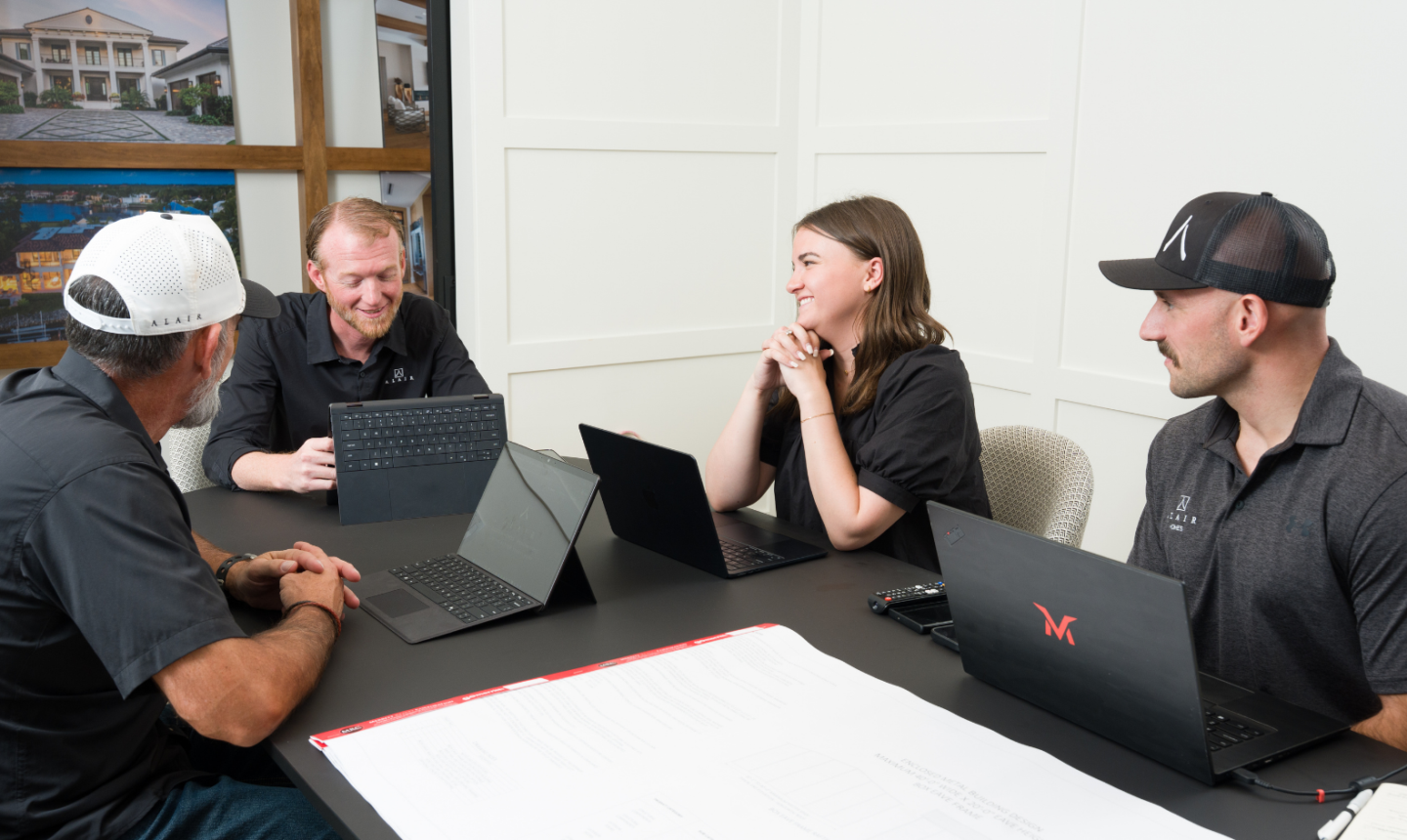

“We had a three-year-old, a one-year-old and a 10-month-old at home, Jackson in a hospital in Sarasota and Aiden in a hospital in St. Pete. Those were some of the hardest and darkest days of our lives,” admits Alair Sanibel partner Kevin Scott, emotion catching in his throat.
Scott delivered a deeply personal presentation at the Alair Conference in Montreal in April, sharing both professional and personal struggles. From the stress of raising five children under the age of three to battling imposter syndrome and trying to emerge from his former boss’s shadow, his speech to more than 200 Alair partners and team members was both inspiring and exceptionally vulnerable.
His openness struck a chord.
“Later that year, we had a PM leave our team and during the exit interview, they said that our culture was terrible, that it was like working in chaos all the time. What an absolute gut punch,” recalls Scott.
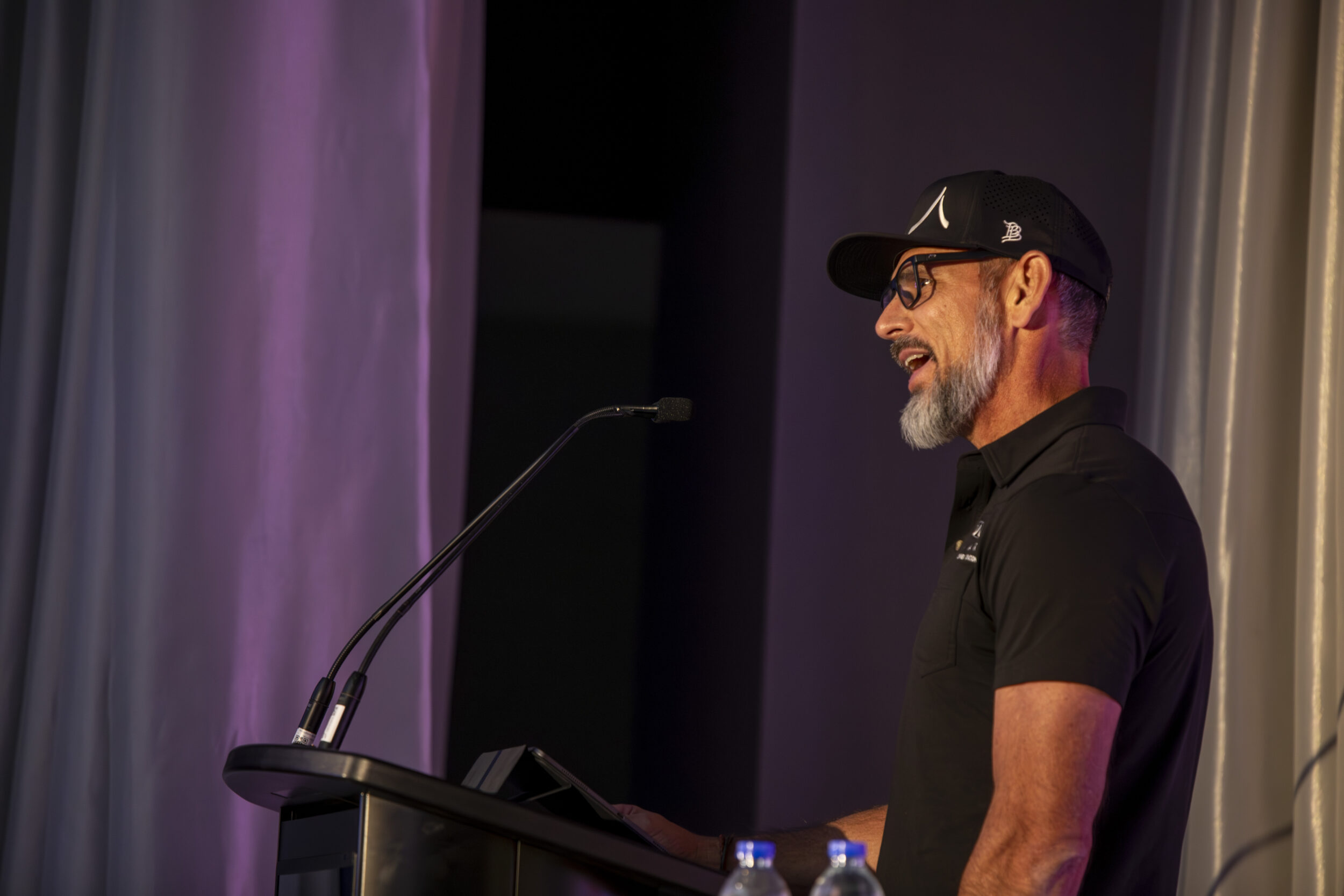
As an Alair partner with four offices across Florida, Scott could have chosen to focus solely on successes. Instead, he chose honesty. His willingness to share the challenges behind the achievements was met with resounding applause at the conference and sparked conversations long after the event ended.
Reflecting on the experience, Scott says his goal was simple.
“We often feel like we have to act like we have it all together. But really, we all struggle with something. I was hoping that revealing some of my struggles would give others the chance to think, ‘Okay, it’s not just me that struggles or thinks that way.’ Honestly, I was hoping what I planned to say would reach one or two people. I was not expecting the response it received. So many people came up and said, ‘I felt like you were talking to me.’ It was an amazing feeling to hear that it resonated with so many people. I was truly humbled and honoured.”
Scott’s presentation highlighted a concept that is gaining increasing attention in workplaces around the world: psychological safety.
Coined by Harvard Business School professor Amy Edmondson, psychological safety is the shared belief that employees can speak up, ask questions, raise concerns, admit mistakes and express themselves without fear of embarrassment, rejection or punishment. Research has shown that teams with high levels of psychological safety tend to be more innovative, collaborative and effective.
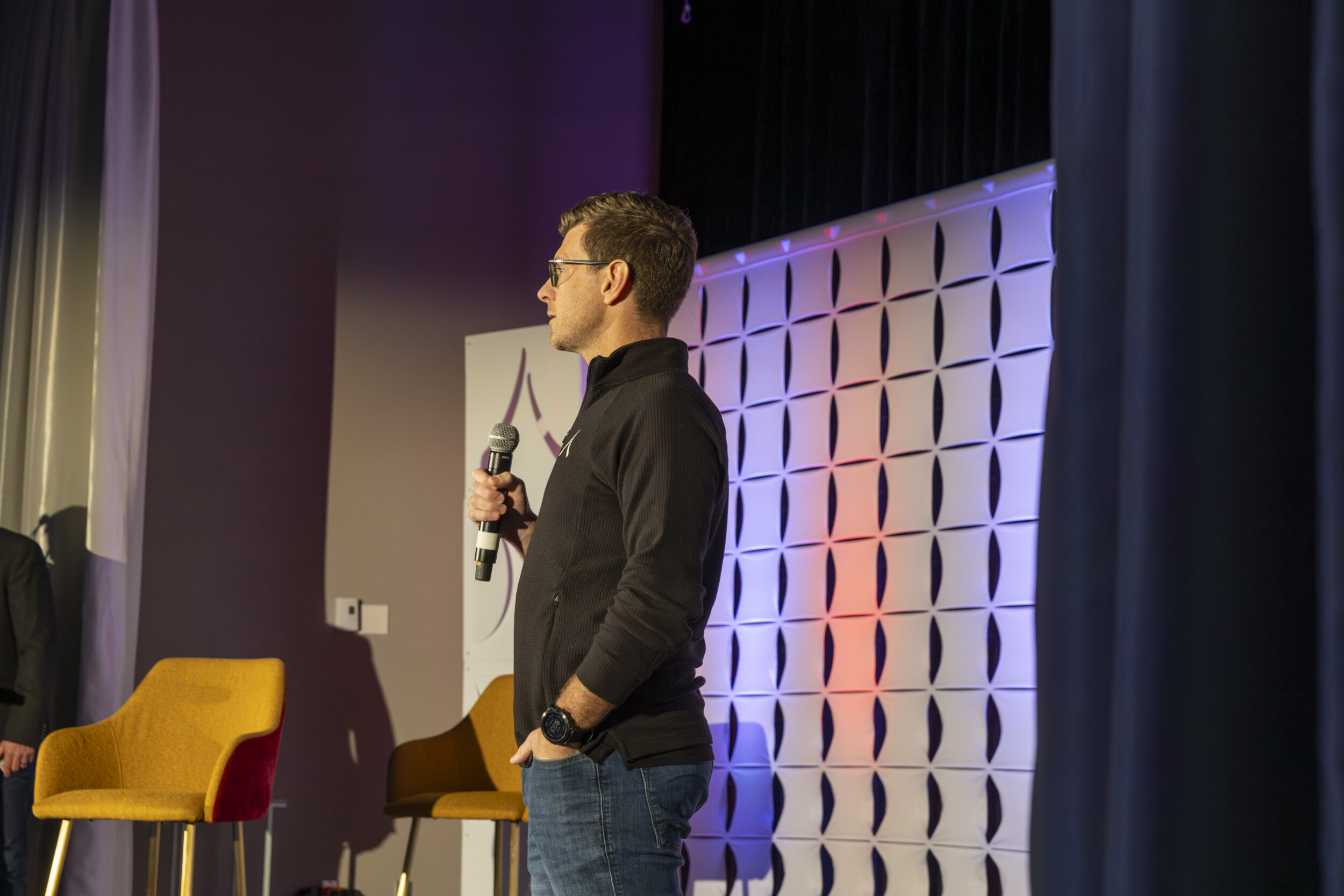
The conference itself provided several examples of what psychological safety looks like in practice.
Alair Ontario Regional Partner Justin Thompson, a self-described perennial optimist, also spoke candidly about a difficult period in his life. The challenges he was facing at work had begun to spill over into his personal life. He found himself exhausted, short-tempered at home and more focused on his growing to-do list than on his family. He admits he was spending too much time dwelling on what hadn’t been accomplished rather than appreciating what had.
Thompson went on to share a simple practice he had recently adopted to help him focus less on what was going wrong and more on the positive things happening around him. When asked why he felt comfortable sharing such a personal story in a room full of colleagues, Thompson didn’t hesitate.
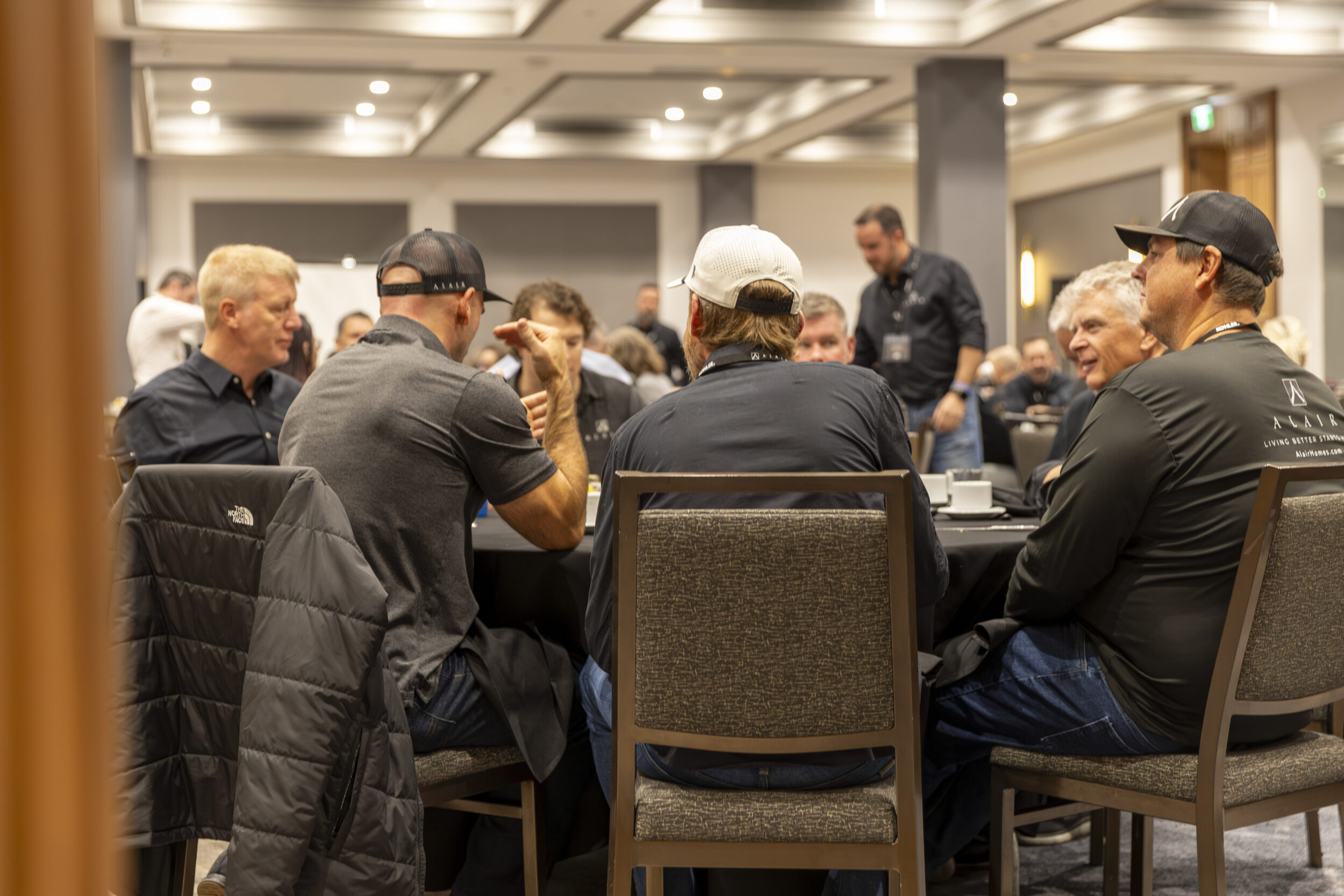
“People ask what’s the Alair difference, and this is it. It’s the people in the room. The core of Alair is the people and the community. Having a community to lean on, rely on and work through these issues with is the big difference. Feeling safe to share in a place where you know that share will not only be welcomed but probably celebrated because others are struggling too is a pretty special thing.”
The benefits of creating that kind of environment extend far beyond individual well-being.
Google’s well-known Project Aristotle study, conducted by its People Analytics team, identified psychological safety as the single most important characteristic of high-performing teams. Other research has found that employees perform better when they feel safe speaking openly, admitting mistakes, asking questions and sharing concerns. When leaders are willing to acknowledge uncertainty, stress, setbacks or personal challenges, they signal that honesty is not only accepted but valued.
Workplaces with strong psychological safety also tend to experience lower stress levels, healthier communication, reduced workplace conflict and better mental health outcomes.
For leaders, vulnerability can be one of the most powerful tools for creating that environment.
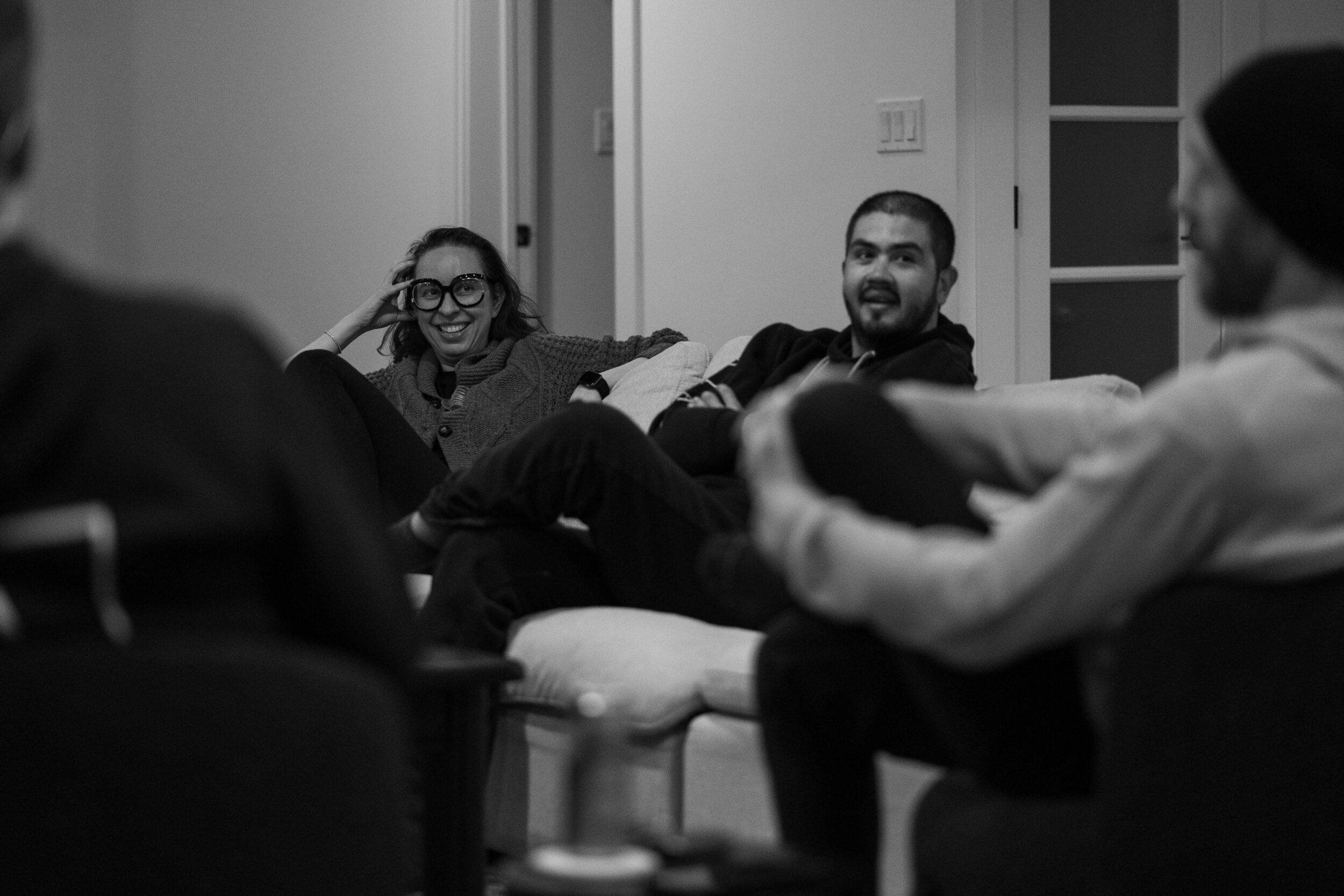
Scott concluded his presentation with a simple but powerful message: “Buy-in as a leader isn’t what you say, it’s what you model.”
By modelling vulnerability, leaders create cultures built on trust, transparency and open communication. Those behaviours, in turn, encourage others to bring their authentic selves to work, ask for help when they need it and support one another through challenges.
Creating that culture can be particularly difficult in industries like construction, where toughness is often valued and vulnerability can still be mistakenly perceived as weakness. It’s a misconception Thompson has spoken publicly against and works hard to challenge.
“I can’t speak about that enough. It drives me crazy,” says Thompson. “If you’re opening up, it doesn’t mean you’re weak. It means you’re willing to grow. It means you want to become a better version of yourself.”
The impact, he says, has been significant.
“It’s definitely brought our team closer and opened up more group conversations about the importance of mental health.”
And perhaps that’s the real power of vulnerability in the workplace. It doesn’t just help the person who shares. It gives others permission to do the same.