
As housing needs evolve across Metro Vancouver, more homeowners asking themselves:
How can I make better use of the property I already own?
In Delta, recent provincial regulations and municipal bylaw updates are offering more housing opportunities with carriage houses, coach homes, and garden suites.
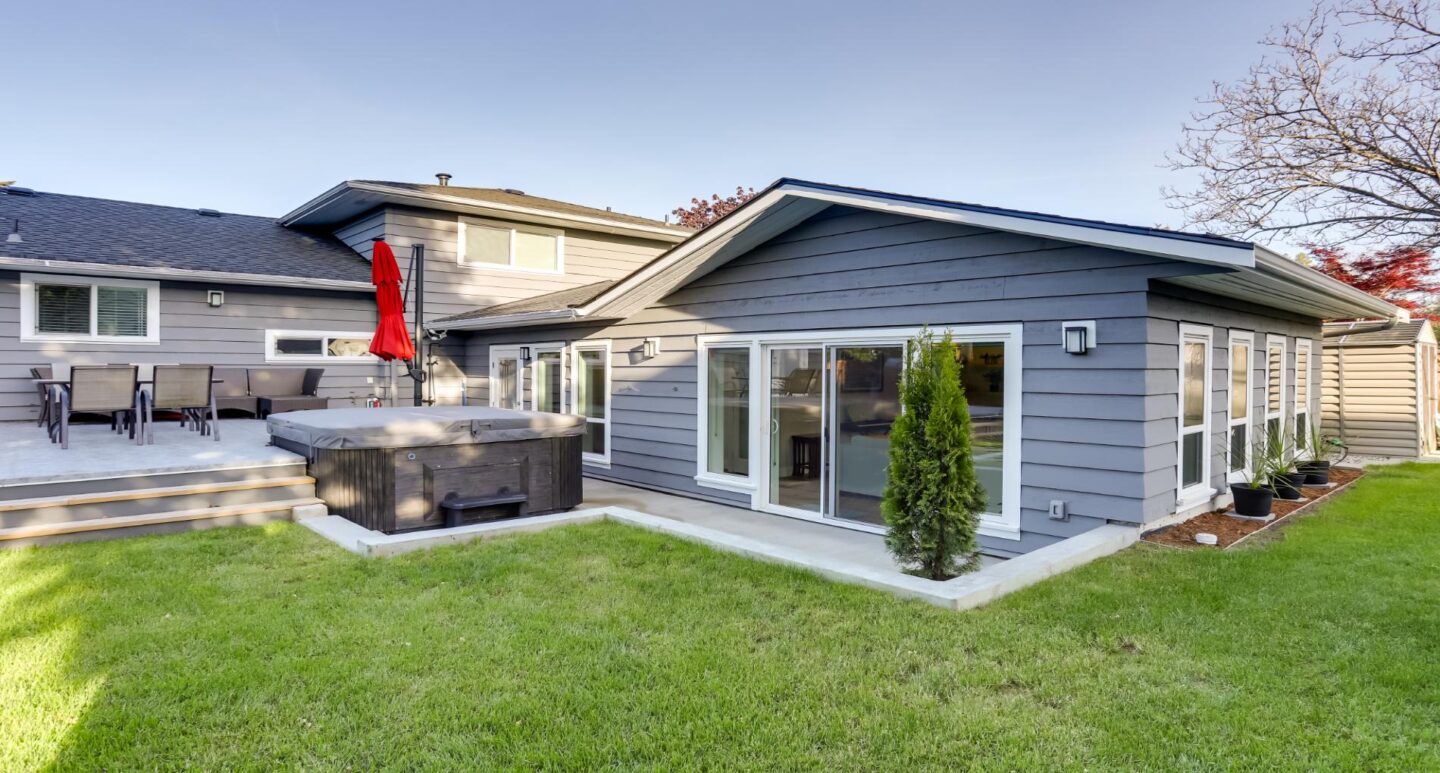
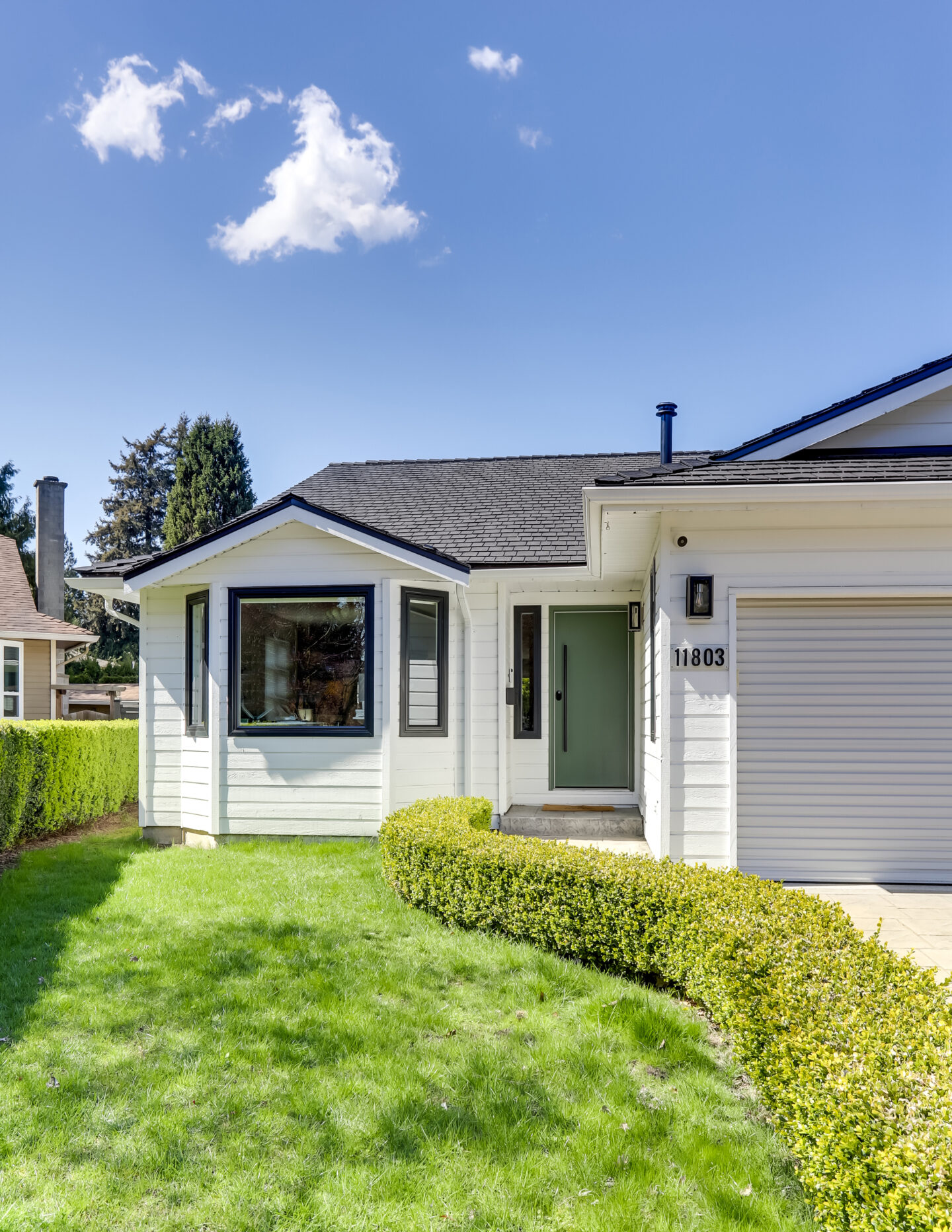
These detached properties are all types of accessory dwelling units (ADUs), and despite the confusing variety of names, they’re becoming more popular with Vancouver homeowners in recent years. That’s because these ADUs can add space, flexibility, and long-term value to your property, whether you’re looking for additional income from rentals or more room for a multigenerational family.
Understanding Your Options: Types of ADUs
Not all ADUs are the same. The right solution depends on your property, your goals, and how you want the space to function.
Garden Suites: Privacy + Simplicity
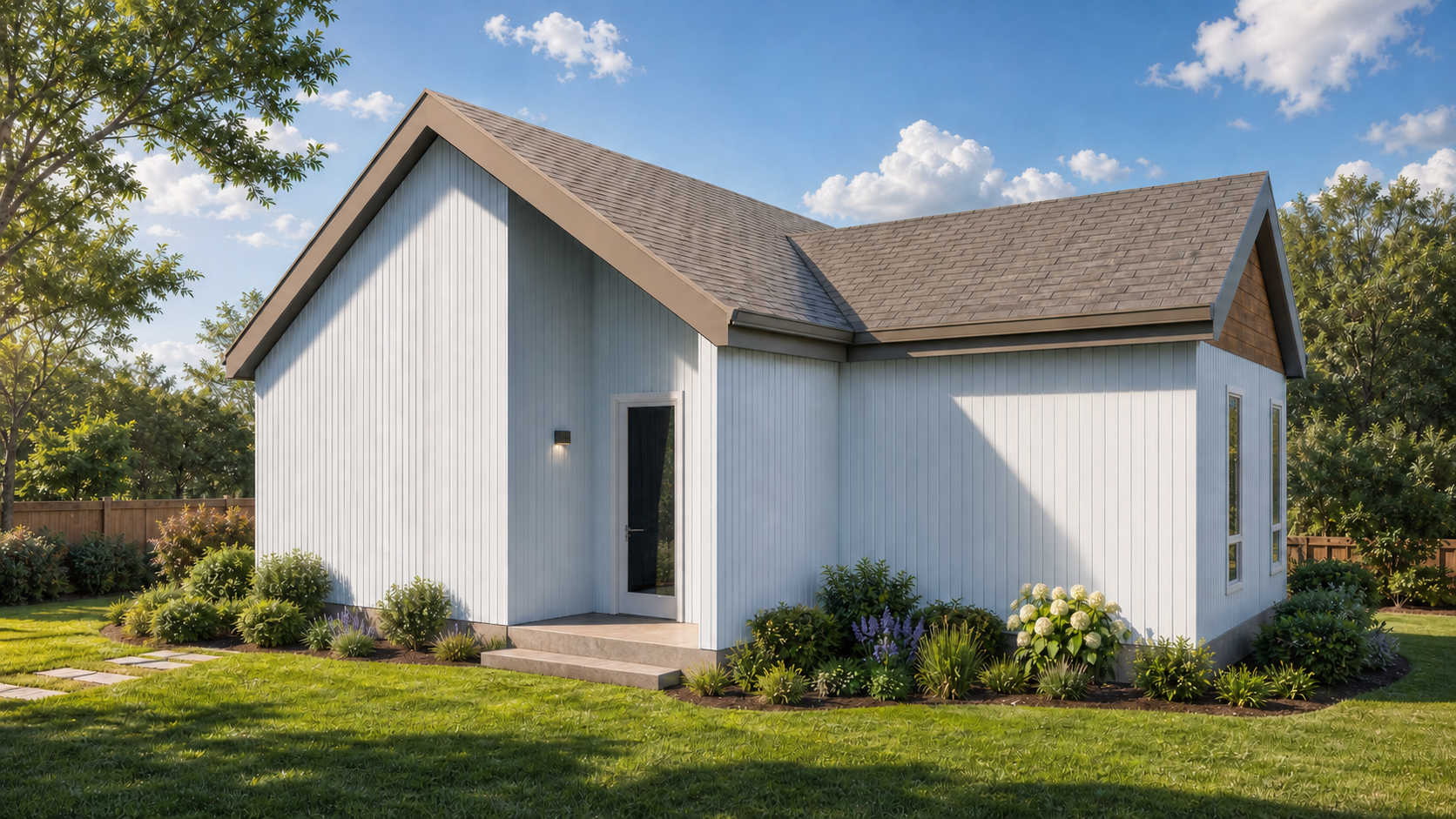
Garden suites are ground-oriented homes built in the backyard of an existing property. They can be one or two storeys and typically do not require lane access. These spaces are ideal for homeowners who want a private, independent structure without adding a garage component.
Coach Homes: Space Above, Function Below
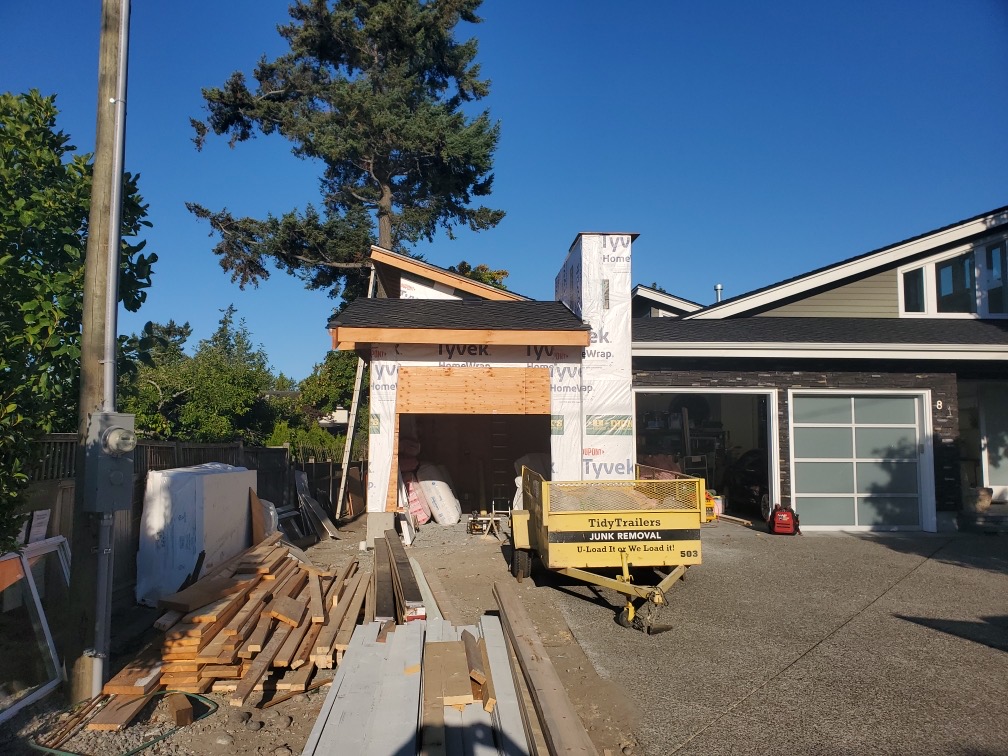
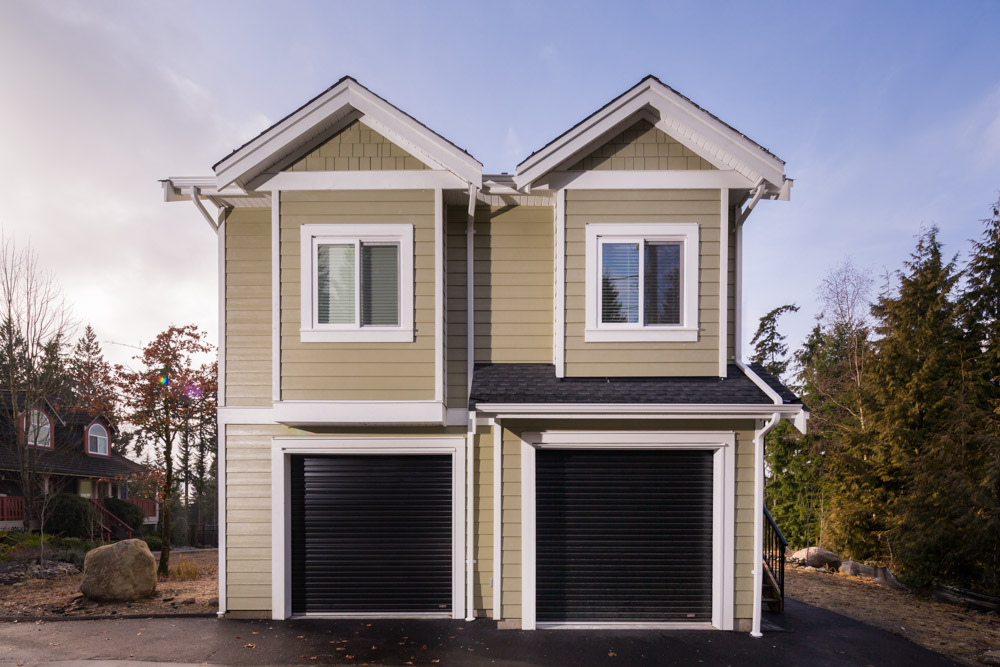
Coach homes are built above a garage, combining secure vehicle storage with a separate living space.
This option is especially valuable for homeowners who need additional parking or storage for recreational vehicles, while also creating a fully functional suite for family or rental use.
Carriage Houses & Laneway Homes: Context Matters
Depending on how the term is used locally, carriage houses and laneway homes may refer to similar concepts: typically detached units with separate access.
In some municipalities, laneway homes are more common, while in Delta, access and zoning will shape whether this is a viable option.
More common in municipalities like Vancouver, Burnaby, and New Westminster, laneway homes are standalone residences accessed from a lane. While less typical in Delta, they highlight the broader shift toward flexible, small-scale housing solutions across the region.
Why Are ADUs Becoming More Common?
Municipalities across Metro Vancouver are encouraging the development of garden suites, coach homes, and similar housing types.
These homes help address a growing need for more flexible, affordable housing options without requiring new land development.
ADUs add rental housing to an undersupplied market, and for many homeowners, this creates an opportunity to support family members with independent living space.
Adding a carriage home can help you make better use of your existing land. And when you’re ready to sell, an ADU can also increase the long-term value of your property.
This shift is less about density, and more about thoughtful, efficient use of space.
What Can You Build on Your Property?
Every property is different. What you can build depends on your zoning and municipal regulations, your lot size, and your layout. Existing structures and access affect whether you can build an ADU, and what kind to build.
You’ll also need to consider any servicing requirements, such as utilities or drainage.
A feasibility review is the best place to start. Before committing to design or construction planning, work with your building team to understand what’s possible with your lot.
Are Coach Homes and Garden Suites a Good Investment?
For many homeowners, ADUs offer a balanced approach to real estate investment.
Rental income can help offset financing costs, and many projects can be supported through the existing equity in your home. At the same time, well-designed ADUs often contribute to an overall increase in property value.
That said, performance depends on several factors, including:
- Location and neighbourhood demand
- Size and layout (number of bedrooms)
- Proximity to amenities like schools and transit
Our team works with trusted real estate and financial partners to help assess these variables upfront so we can outline projected costs and timelines to help you make an informed decision.
What Timeline Can You Expect When Building an ADU?
Most ADU projects are relatively efficient compared to full-home builds.
Construction typically takes between four to six months, depending on:
- Design complexity
- Number of storeys
- Site access
- Utility or service upgrades
Permitting timelines can vary, but many municipalities have streamlined approvals as these housing types are already supported within local bylaws.
More Than a Rental: How Homeowners Use ADUs
While rental income is a common motivator, it’s not the only reason homeowners build ADUs.
These spaces are often designed to adapt to changing needs over time. They can be used as:
- Independent living space for aging parents
- A home for adult children
- A private guest house
- A dedicated home office or studio
In many cases, homeowners prioritize flexibility, creating a space that works today and evolves with their family in the future.