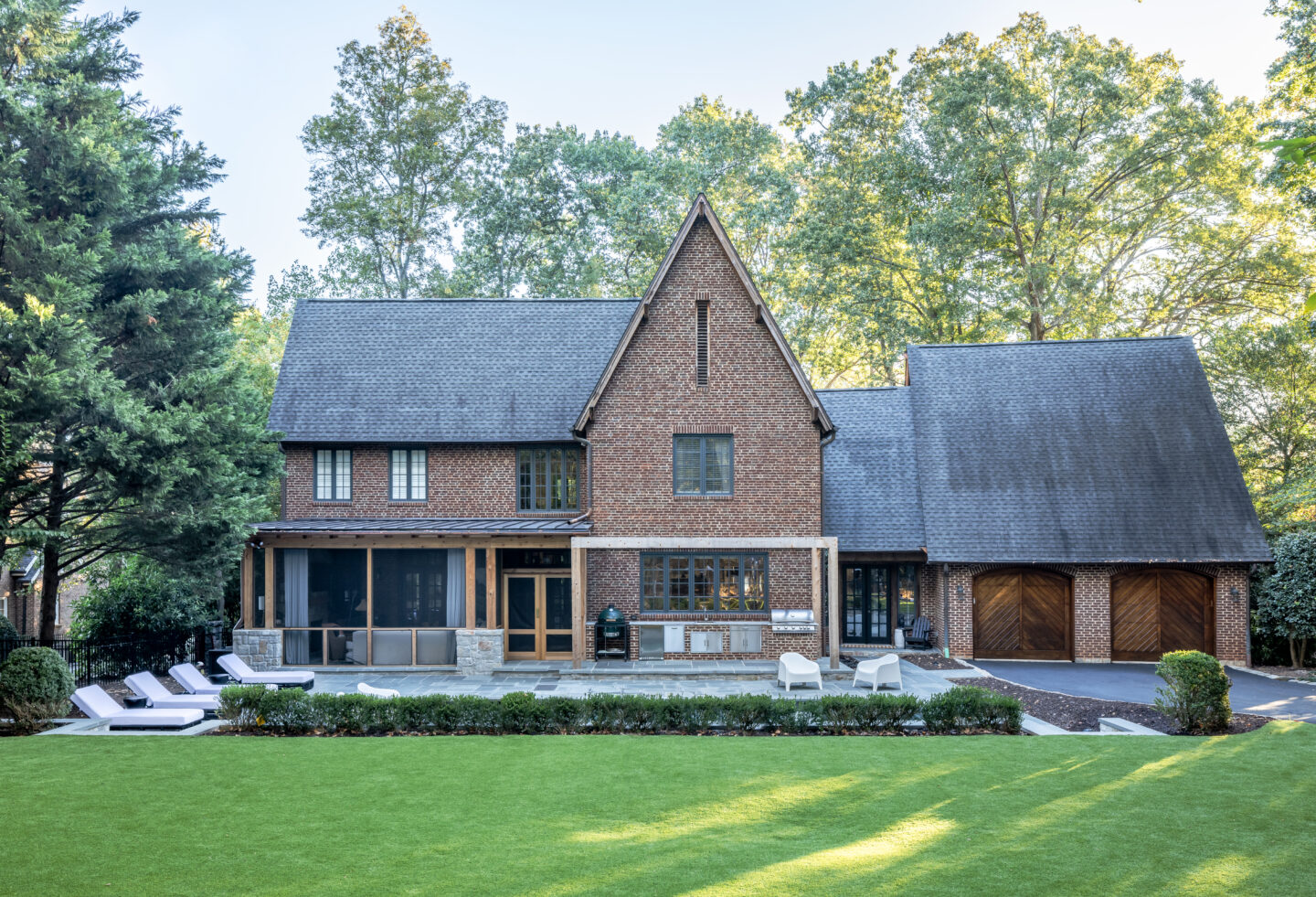

When we talk about building better homes, we usually start with architecture, materials, and craftsmanship. However, as more homeowners look for opportunities to future-proof the legacy of their home, their design considerations start long before the floor plans.
They begin with the land itself.
As communities across North America experience heavier rainfall, longer droughts, and increasingly unpredictable weather patterns, traditional approaches to residential landscape design can be fragile in the face of climate extremes.
That’s why the principles for permaculture and regenerative landscaping are becoming critical considerations in homebuilding and renovation. Rather than treating water, soil, and plantings as decorative afterthoughts, regenerative design views the landscape as an active, interconnected system that protects the home, adapts to climate stress, and becomes more resilient over time.
What Is Regenerative Homebuilding?
Regenerative homebuilding encourages housing designed to restore and improve the surrounding ecosystems. It’s more than sustainability; it’s an active investment in the environmental spaces that support the home.
This approach designs landscapes that care for both the land and your home. By improving soil, managing water, and planting diverse, resilient ecosystems, regenerative landscape:
By improving soil health, managing water runoff, and planting diverse species, regenerative design:
- Protects property value by mitigating risks of erosion and flooding
- Reduces maintenance costs by mimicking natural systems
- Enhances energy efficiency through natural cooling and windbreaks
Brandy Hall, founder & CEO of Shades of Green Permaculture, says intentional landscape design can become a critical extension of how a home performs.
This often starts with home permaculture to design landscapes that function like natural systems. When integrated thoughtfully with home design, they become a powerful extension of how a home performs.
Brandy Hall
In residential settings, that philosophy translates into landscapes that actively support both the home itself and the ecological health of its surroundings.
Water Is Always the First Conversation
In a changing climate marked by heavier rains and longer droughts, Hall says there is one main key to adapting landscapes to climate change.
“It all starts with water, in my view,” says Hall. “[That’s] the most catastrophic thing, if not managed well.”
Regenerative design treats water as a valuable resource. During weather events like flooding, the goal is to slow it down, spread it out, and sink it into the soil by starting as high on the watershed as possible.
Strategic water management often begins at the roofline:
- Capturing rainwater from roofs and downspouts
- Directing it into rain tanks or rain gardens
- Dispersing water throughout the landscape rather than concentrating it in one place
By spreading water through the landscape, homeowners can make better use of every rainfall before excess water ever reaches the storm system.
Soil: Nature’s Original Cistern
Healthy soil is one of the most effective tools for climate resilience.
With regenerative landscaping practices, healthy soil becomes a living sponge. As organic matter builds up in the soil, the landscape’s ability to absorb and hold water increases dramatically.
During intense rain events, the soil can take in more water. During a drought, it releases moisture slowly back to plant roots. In effect, the soil becomes a natural cistern, storing water underground where plants can actually use it.
This approach does more than manage water. Healthier soil also:
- Improves plant resilience
- Boosts fertility naturally
- Increases resistance to pests and disease
For homeowners, that means landscapes that require fewer inputs over time and perform better under stress.
Planting for All Types of Weather
Traditional landscaping often relies on “average” climate conditions. Regenerative landscapes plan for extremes.
That means choosing plant species adapted to local conditions while also hedging against variability. These can include plants that can tolerate intense cold as well as fewer frost days, extreme heat, or prolonged dry periods. Seasonal changes may challenge certain species, but diversity ensures that others thrive.
Root diversity can also help with a strong landscape. Plants with deep taproots can access water and nutrients far below the surface, sometimes as deep as 18 feet in the case of native perennials. These can roots pull nutrients upward into the soil system, improve drought tolerance, and strengthen overall landscape stability.
The result is a landscape that holds together under stress instead of failing when conditions shift.
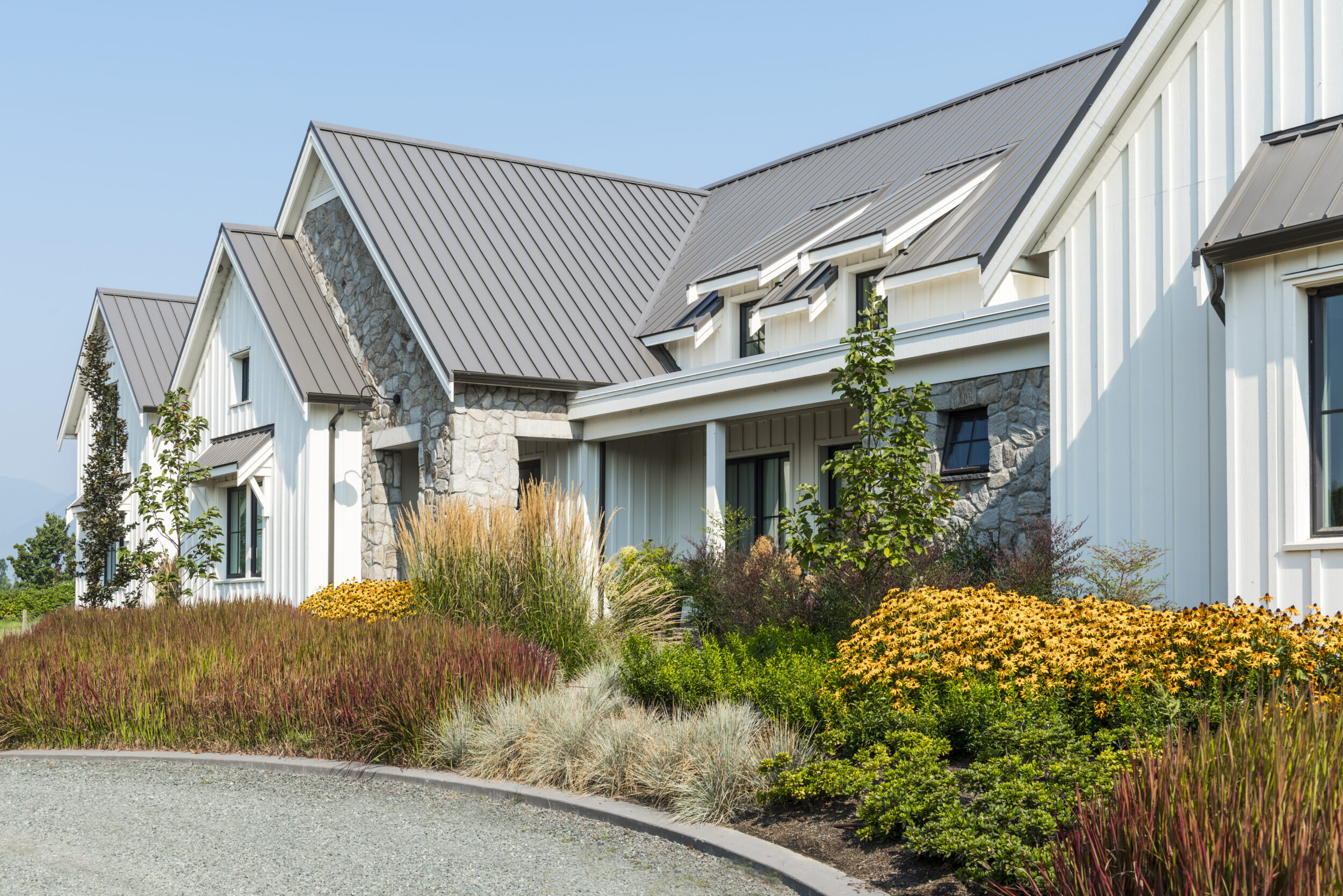
The Three Pillars of a Regenerative Landscape
Hall says her regenerative design company uses three pillars to guide permaculture design for their clients. These three pillars include:
Water Management
Regenerative landscapes are designed to slow, spread, and absorb water rather than move it off-site. By restoring natural water flow through techniques like contouring, rain gardens, and deep-rooted planting, landscapes reduce flood risk, retain moisture during drought, and perform more reliably under extreme weather conditions.
Soil Health
Healthy soil acts as living infrastructure. By increasing organic matter and cycling nutrients on-site, regenerative design improves the soil’s ability to absorb heavy rainfall and retain moisture over time. This reduces reliance on irrigation and chemical inputs while strengthening the landscape’s resilience.
Biodiversity
Diverse plant communities—particularly native and climate-adapted species—create balance and stability. Biodiversity reduces pest pressure, lowers maintenance demands, and allows landscapes to recover more quickly from environmental stress, making them more durable over the long term.
This multifunctional approach results in landscapes that are both beautiful and productive.
Designing Homes That Endure
Regenerative homebuilding practices depend on thoughtful, integrated decisions made early in the design process.
Whether it’s managing water before it reaches the foundation, selecting plants that support long-term resilience, or building soil that improves year after year, regenerative landscapes offer homeowners a way to live with a more thoughtful, intentional design.
And for homeowners planning for the future, it’s becoming one of the most practical investments they can make.