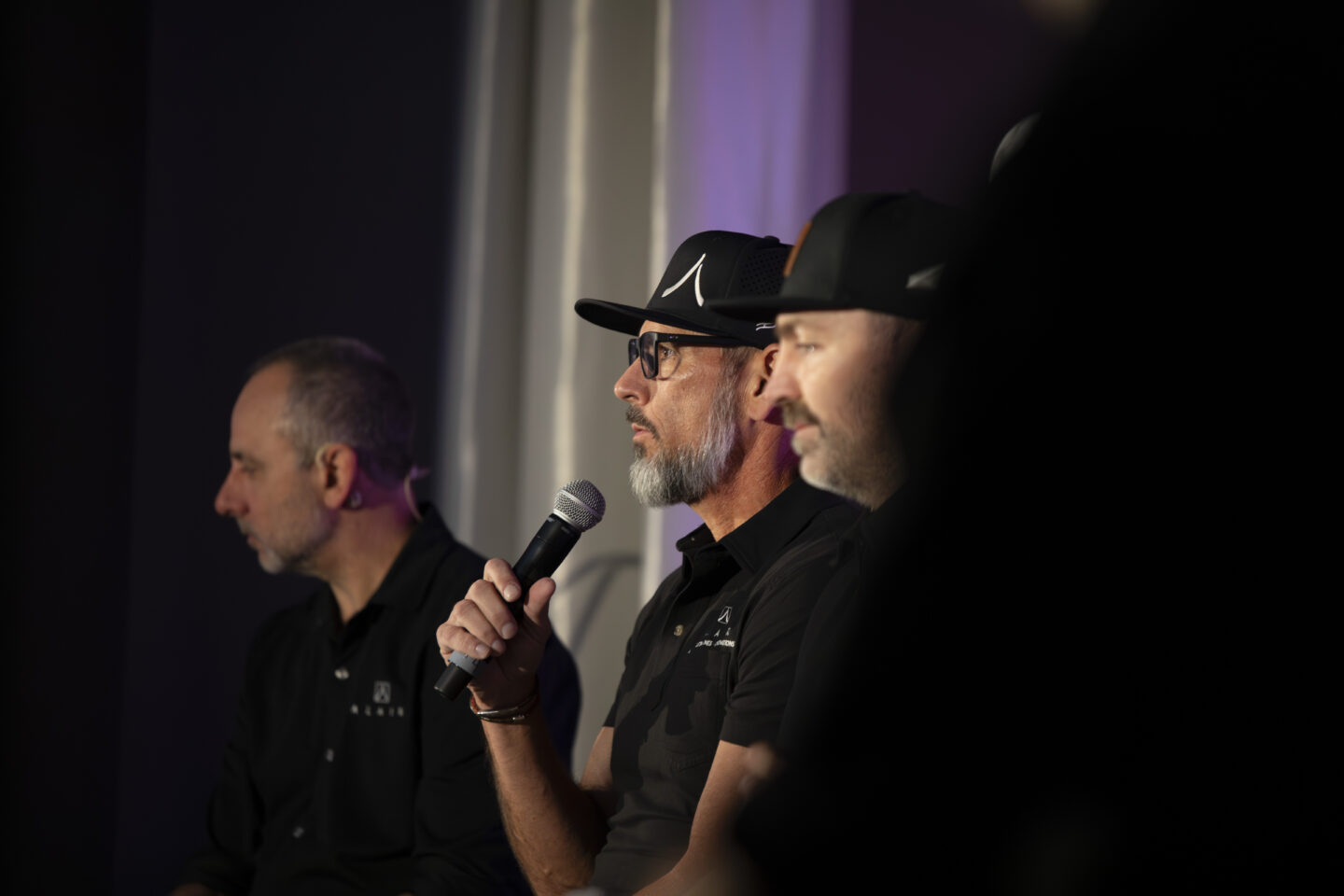

This month, at the Porsche Studio on Fifth Avenue South in Naples, that conversation centered around a growing category: car condominium ownership.
Bringing together industry professionals and enthusiasts alike, the event offered a closer look at what’s driving the demand behind these spaces. The discussion moved beyond simply storing vehicles; it explored a broader intersection of lifestyle, community, and long-term investment strategy.
Car condominiums are, at their core, a response to a very specific need. For collectors and enthusiasts, a garage is no longer just functional: it becomes an extension of the home. A place to showcase, gather, and engage with like-minded individuals. What was once considered secondary space is now being reimagined as a primary lifestyle feature.
In a market like Naples, where design, personalization, and experience are central to how people live, this shift feels particularly relevant.
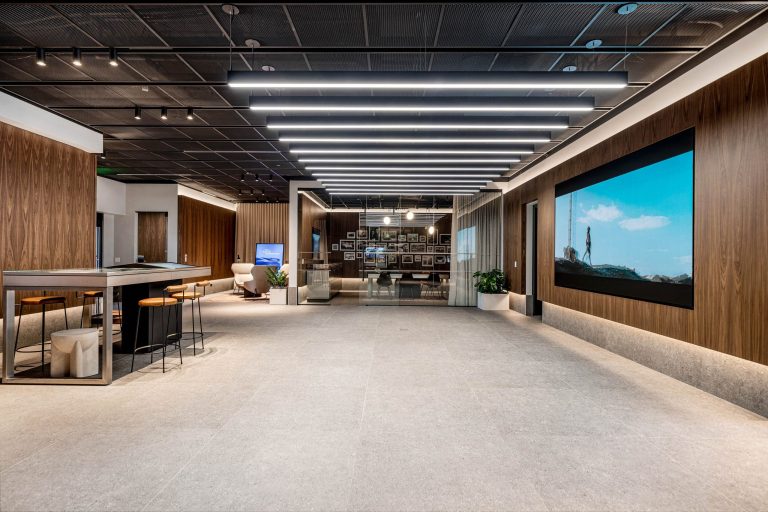
What stood out most during the conversation was the emphasis on community. These spaces are not just private storage units, they are environments designed to bring people together. Shared passion becomes the foundation for connection, creating a social dynamic that extends beyond the vehicles themselves.
There is also a clear financial lens. As discussed, car condominiums present a unique blend of asset protection, real estate investment, and lifestyle enhancement. With increasing interest in alternative investments, it’s no surprise that this category continues to gain traction among high-net-worth individuals.
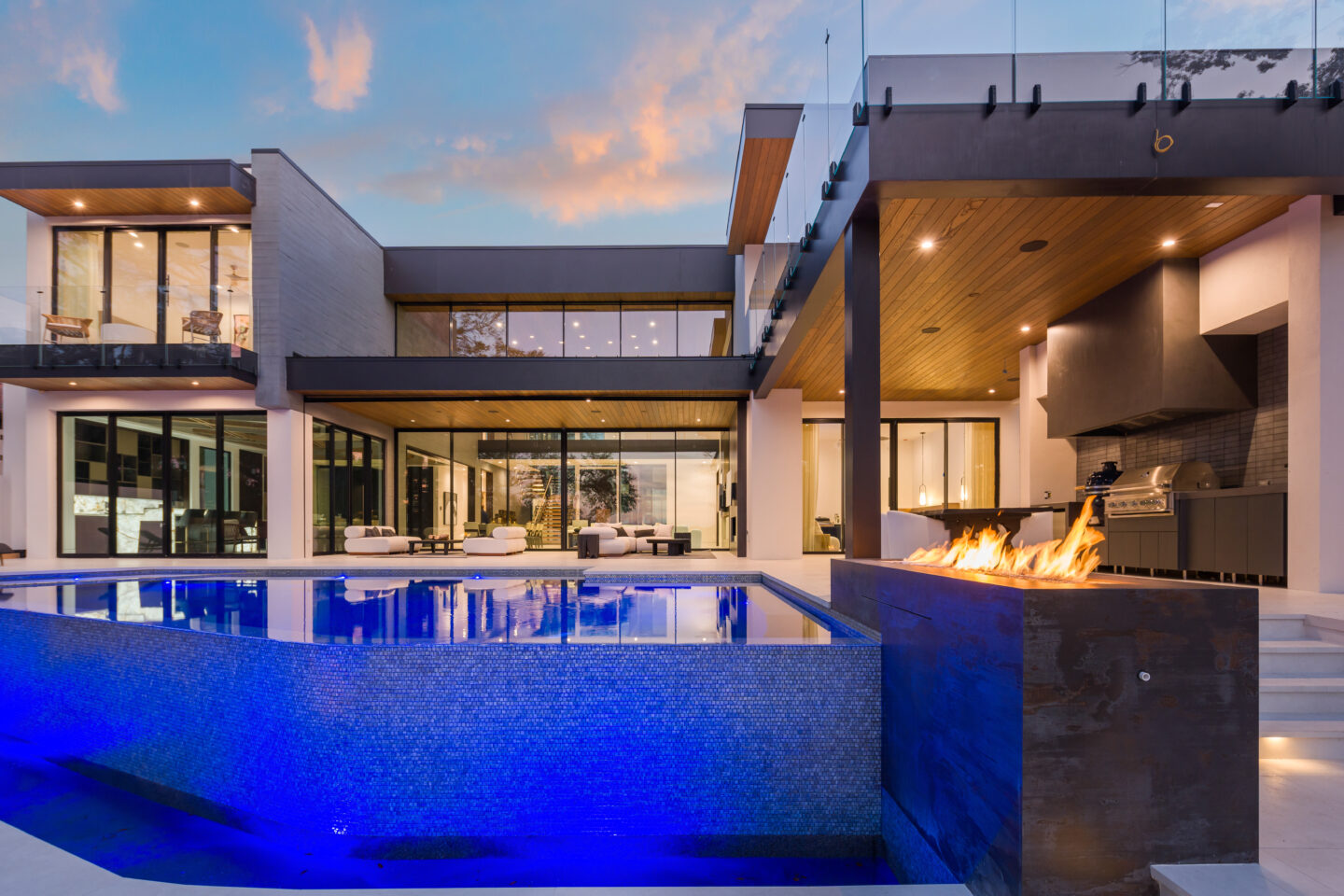
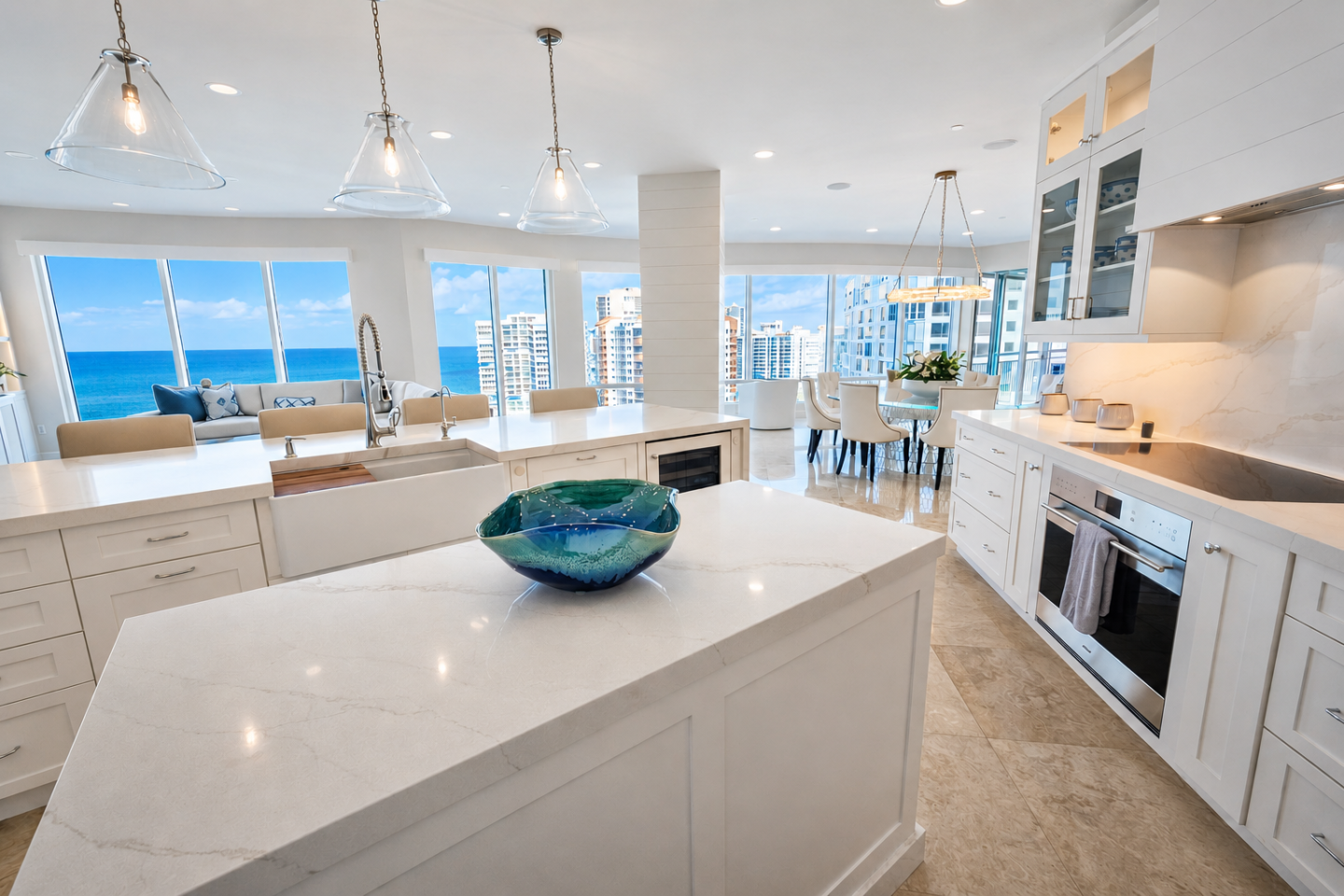
From a building perspective, it’s a concept that closely mirrors what we’re seeing in residential design. Homeowners are placing greater value on spaces that reflect their passions; whether that’s a wellness retreat, a wine room, or, increasingly, a fully realized automotive environment.
The lines between home, hobby, and investment continue to blur.
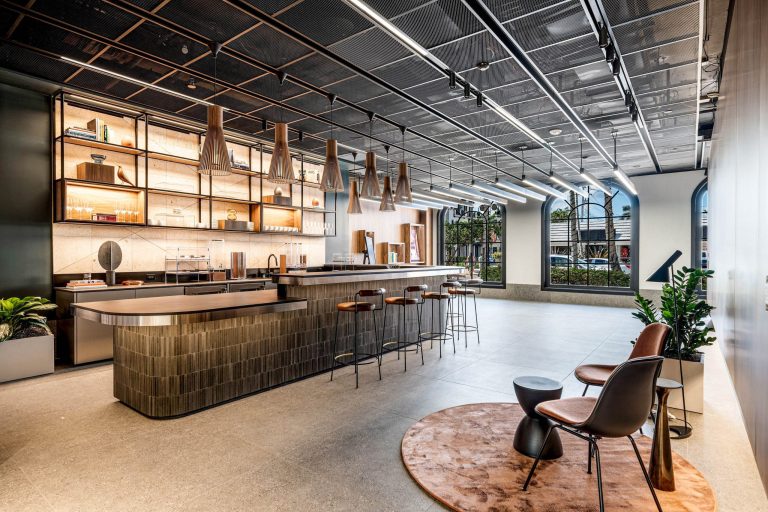
Events like this offer a valuable opportunity to stay connected to where the market is heading; not just in terms of design, but in how people define the spaces they invest in and spend their time.
Because ultimately, whether it’s within the home or beyond it, the goal remains the same: to create environments that support the way people truly want to live.