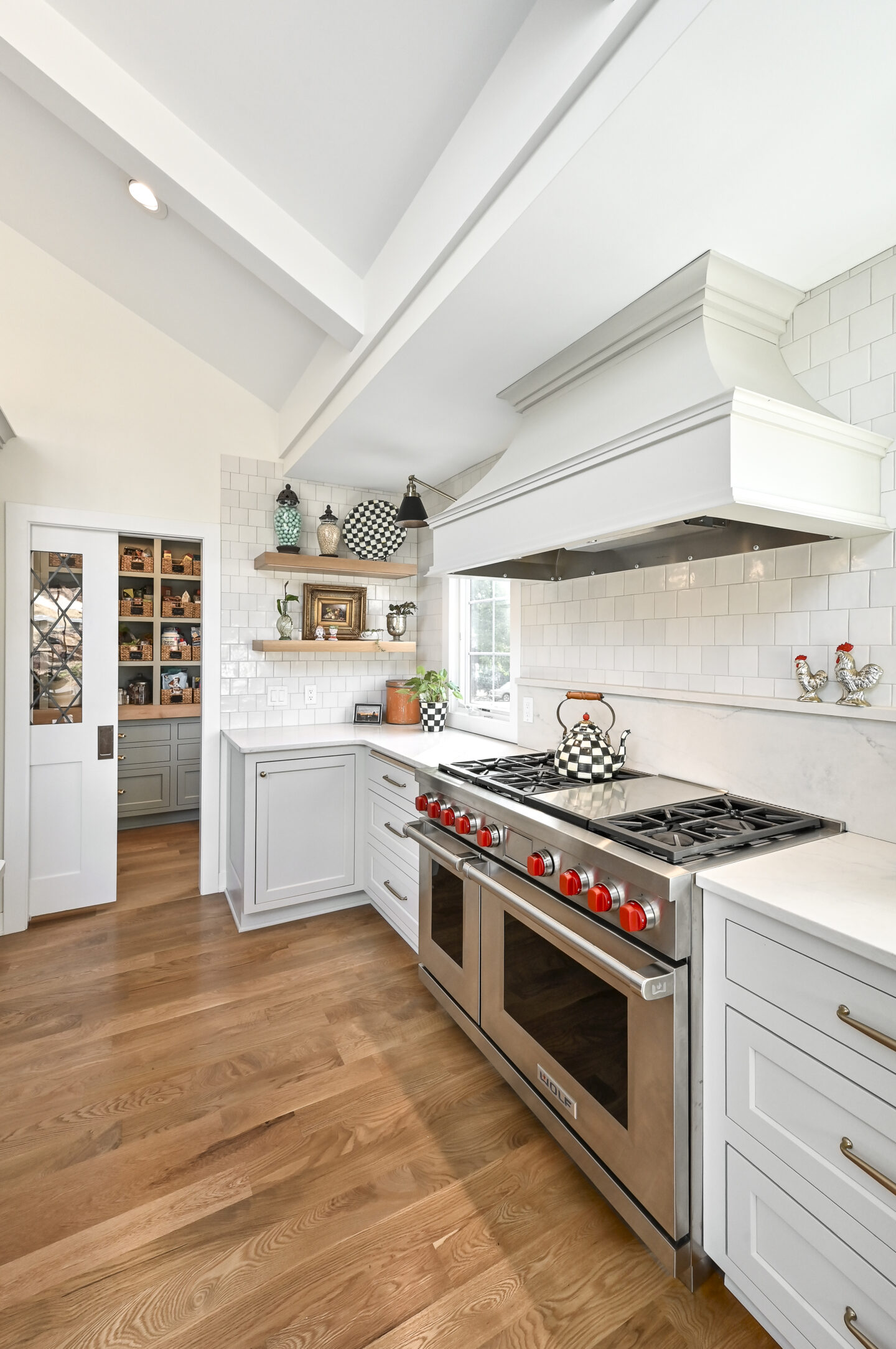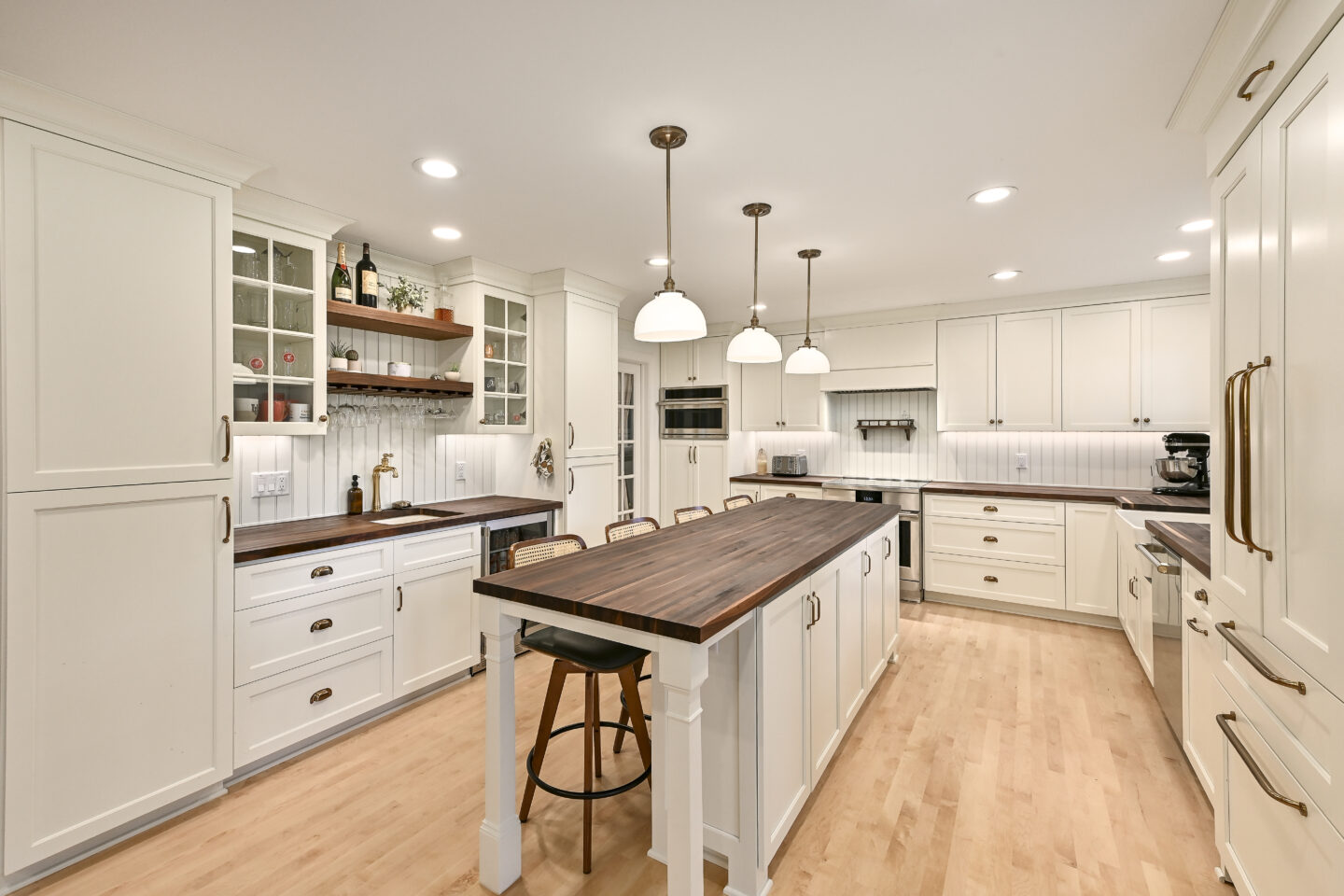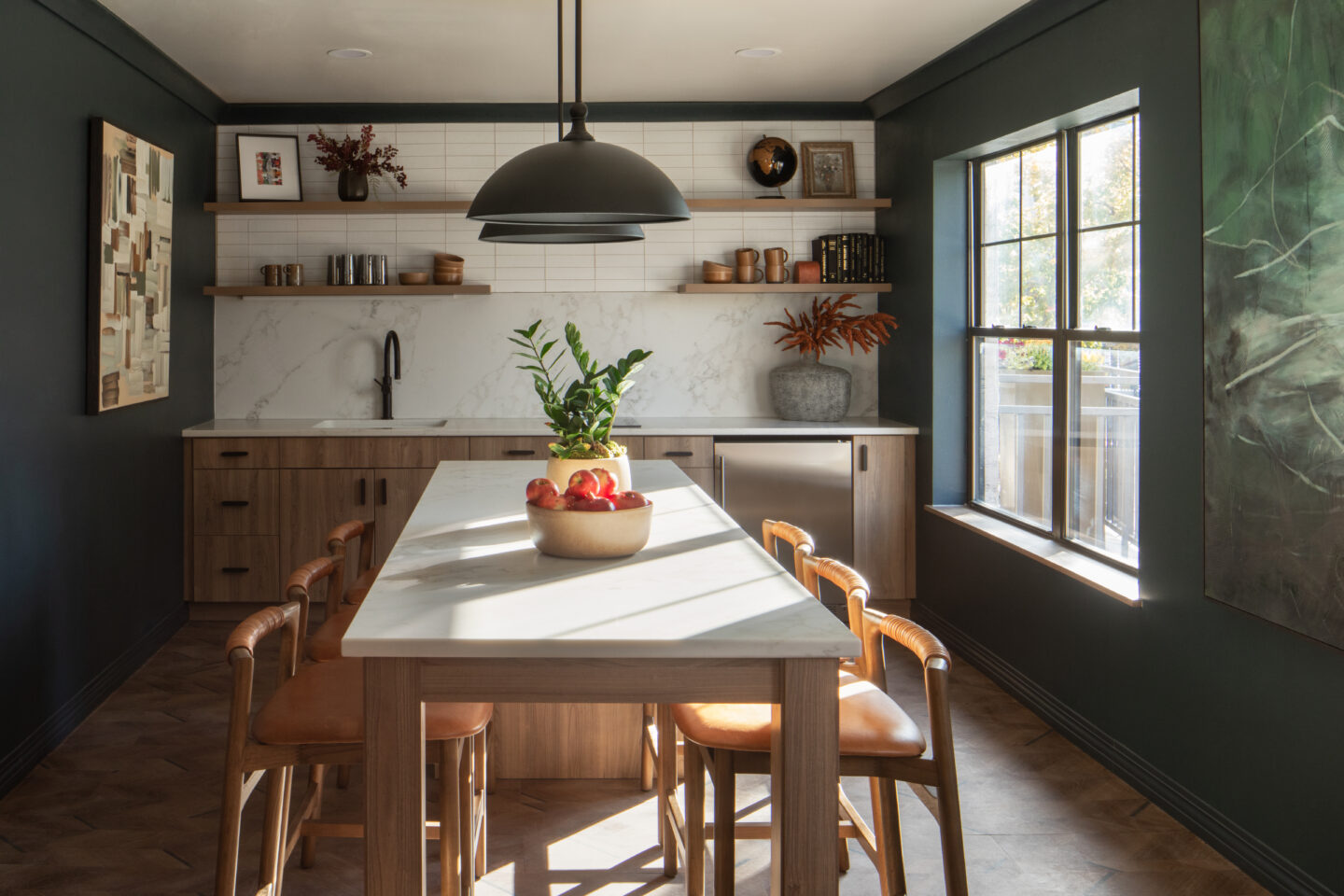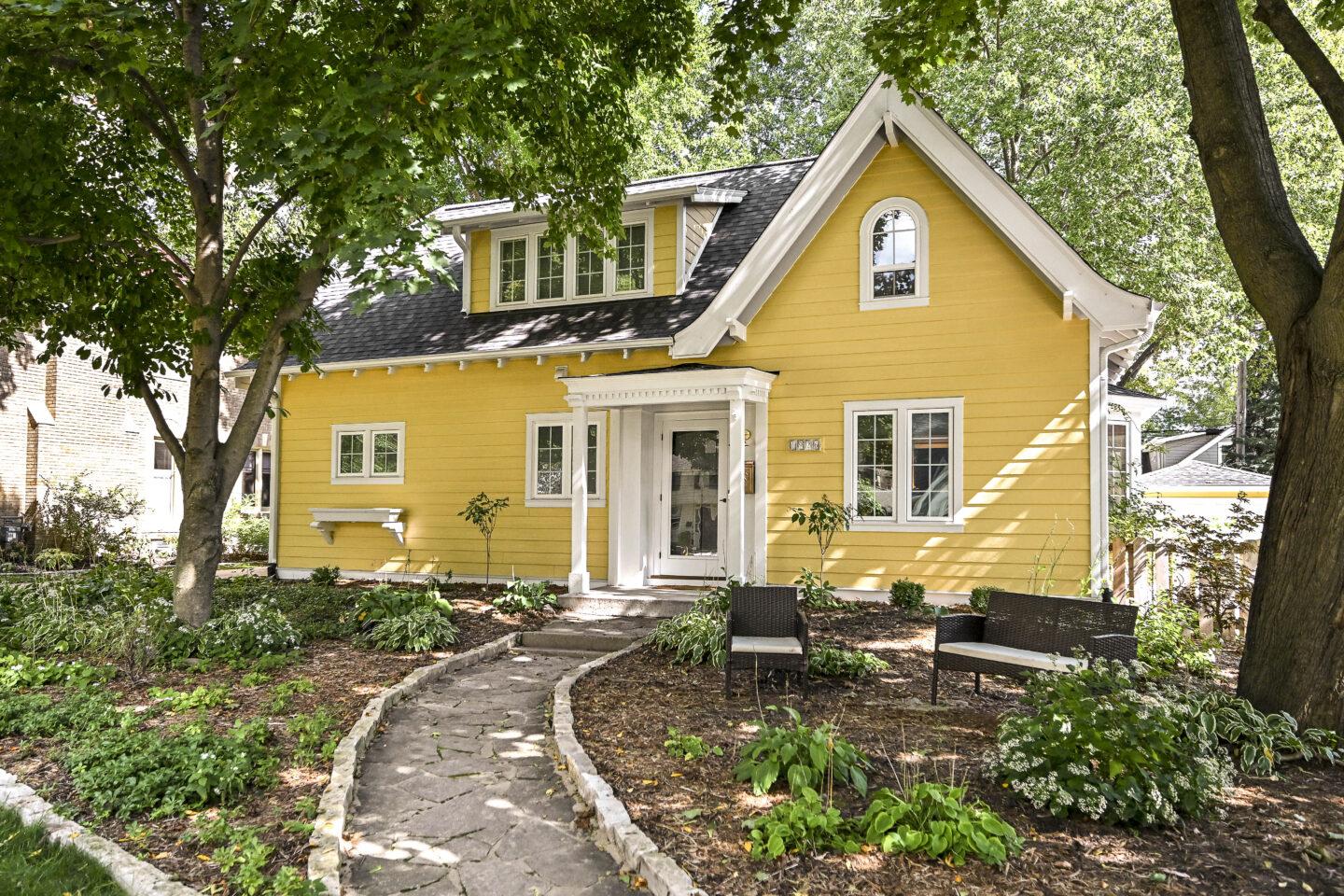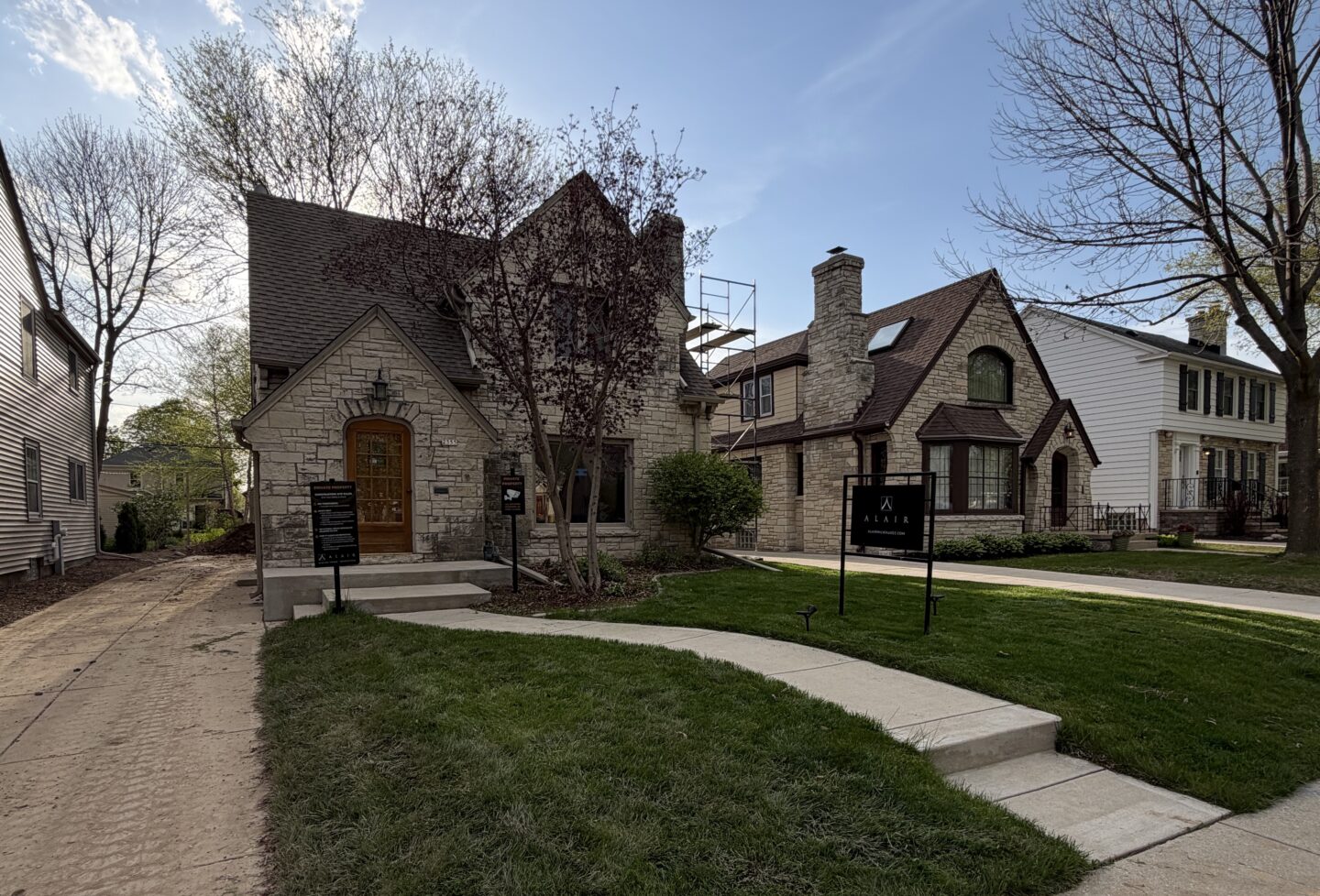

For as long as I’ve been in this industry, the question has been pretty simple: should we remodel, or should we move? I still hear that question all the time, but it’s not quite that simple anymore.
It’s no longer a clean-cut decision where remodeling gets you everything you want or moving automatically solves the problem. There’s now a third option that deserves a place in the conversation: building. So, the real question has become: should you remodel, move, or tear down and build new?
To understand why that question exists, it helps to step back a bit. Remodeling, as we think about it today, is a fairly new industry. Home building has been around forever, but most people weren’t remodeling in the ’50s, ’60s, or even the ’70s. Those homes were newer, and they were built for how people lived at the time. You maintained them, but you didn’t try to completely change them.
Today, many homes in the neighborhoods where we work are 50 to 100 years old, and they were built for a completely different era. The way families live, how space is used, and, in many cases, how people work have changed dramatically. The remodeling industry largely grew out of the need for homeowners to make these older homes fit their current lifestyle and needs. But as our lives continue to change and our needs evolve, the question is no longer just whether to stay or go – it’s whether to remodel, move, or build.
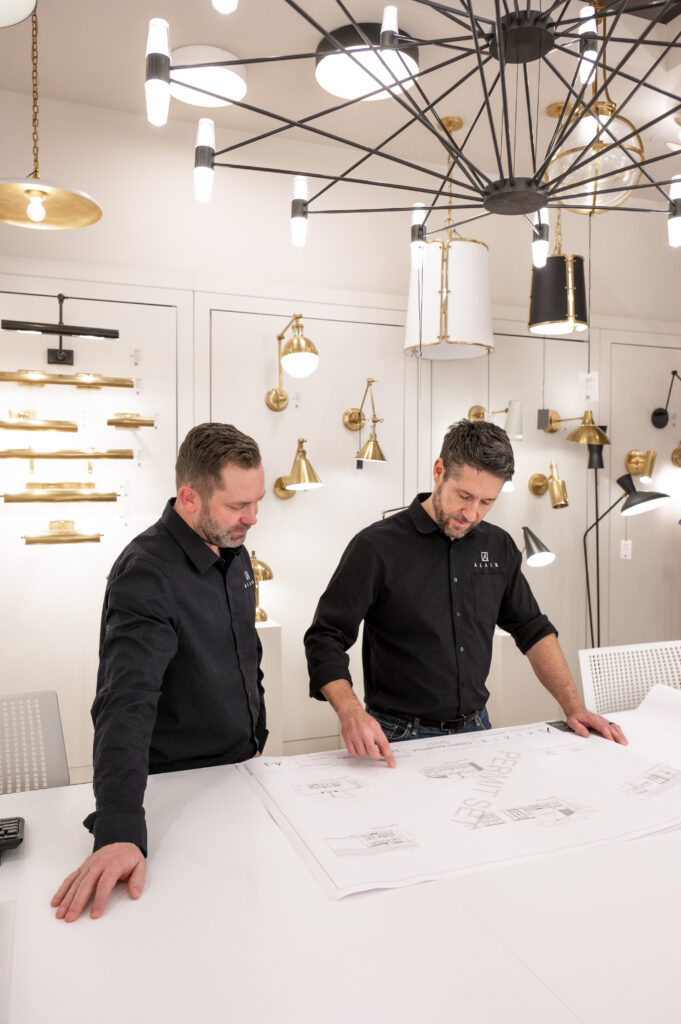

When Remodeling Makes Sense
Deciding to remodel usually comes down to two factors. First, you love where you live. That’s the neighborhood, the schools, the people around you, and how your life is set up there. If that part works, it’s hard to replace.
Secondly, the house has to be able to become what you need, and not every home can do that. Sometimes there isn’t enough space. Or maybe it’s the layout, the style, or the way the home was built. But, if the house can be realistically adapted, then remodeling can be a good solution.
If you have both of those – the location and the potential in the house – remodeling tends to make sense.
What It Really Means to Move
Moving can make a lot of sense, but it’s important to look at it realistically for what it is.
Most of the homes you’re going to find are not going to be exactly what you want. In many cases, moving doesn’t eliminate the need for remodeling – it just changes the address where the remodeling happens. So you’re not only taking on the cost of purchasing a new home, but also often the time, money, and effort required to make that home truly fit your needs.
That brings some real considerations. The cost of moving into the next home may be significant; you may need to carry two homes for a period of time while work is being completed, and just like your current house, the home you’re buying needs to have the potential to become what you want it to be.
Moving can be a good option, but it’s rarely as simple as it may appear.
When Building Becomes the Better Option
The third option is one that more homeowners are considering today: tearing down and rebuilding. We are seeing this becoming extremely common in many of our Alair markets across the U.S. and Canada, and we’re definitely experiencing it locally here in Wisconsin as well.
The reality is that some homes just aren’t good candidates for remodeling. At a certain point, trying to make an older home fit a modern lifestyle can become more complicated, more expensive, and less effective than starting over.
If the location still makes sense, rebuilding gives you the chance to start over and create a home that actually fits how you want to live. The key is making sure the end result fits the neighborhood and feels appropriate for where it is. If you build the right home in the right neighborhood, the long-term value often outstrips remodeling significantly.
How to Think About the Decision
At the end of the day, the goal is pretty simple. You’re trying to end up with a home that works for the way you live.
Cost is the first place to start. You want to understand the full picture – what you can sell your current home for, what it costs to buy, and what it will take to remodel or build. Talking to a realtor and a reputable lender early helps you get grounded in what’s actually realistic for you.
Timing is just as important because these types of projects don’t happen quickly. A larger remodel can take months of planning and possibly over a year to build. Moving and remodeling or tearing down and rebuilding may take just as long if not longer. If you need a solution right now, all three options are challenging. It’s usually better to think about where you want to be a couple of years from now and work on planning toward that.
The other piece I encourage people to consider is the emotional energy required to take on a large project – every option requires it, but in different ways. Living through a remodel can be extremely demanding. While moving into a new home or building one from the ground up comes with its own challenges, a full remodel is often even more stressful. It may require moving into temporary housing or continuing to live in the middle of an active construction zone. Our tagline at Alair Homes is “Living Better Starts Here,” and I strongly encourage every homeowner to be honest about how much you’re willing to take on. After all, none of these projects are worth it if you’re sacrificing your health and happiness as a result.
When you look at all three options together, it really comes down to what makes sense for you. Not just what’s possible, but what actually gets you to the outcome you want in a way that feels worth it.
Lastly, and it probably goes without saying given where I’m coming from, it’s important to have a builder you trust involved early in any of these decisions. You need someone who can walk you through what it really looks like: the cost, the timing, and the level of effort involved. Architects, designers, realtors, and lenders are all important partners, but they don’t see the full picture the same way a builder does. The goal isn’t to push you toward one solution or another. It’s to help you make a well-informed decision that’s right for you, your home, and your family. The earlier you have these conversations, the better equipped you’ll be to choose the path that makes the most sense.