
On Vancouver’s West Side, a new community food pantry now sits outside St. Helen’s Church, part of a growing network built and donated by Alair Homes.
The Alair team has quietly installed several of these pantries across Vancouver, BC, using its construction expertise to create accessible, community-based solutions to food insecurity.
“We’re builders and building something made sense to us. It’s the easiest way to give back and make a huge impact on the community,” says Peter Nielsen, partner at Alair Delta. “We live here. We want our communities to be vibrant. And this is something that we can do to help.”
The idea is simple: take what you need, leave what you can. But behind that simplicity is a response to a growing issue. Nearly one in four British Columbians is affected by food insecurity. And many Canadian food banks are reporting a severe strain on resources, limiting visits to once a month due to lack of supplies.
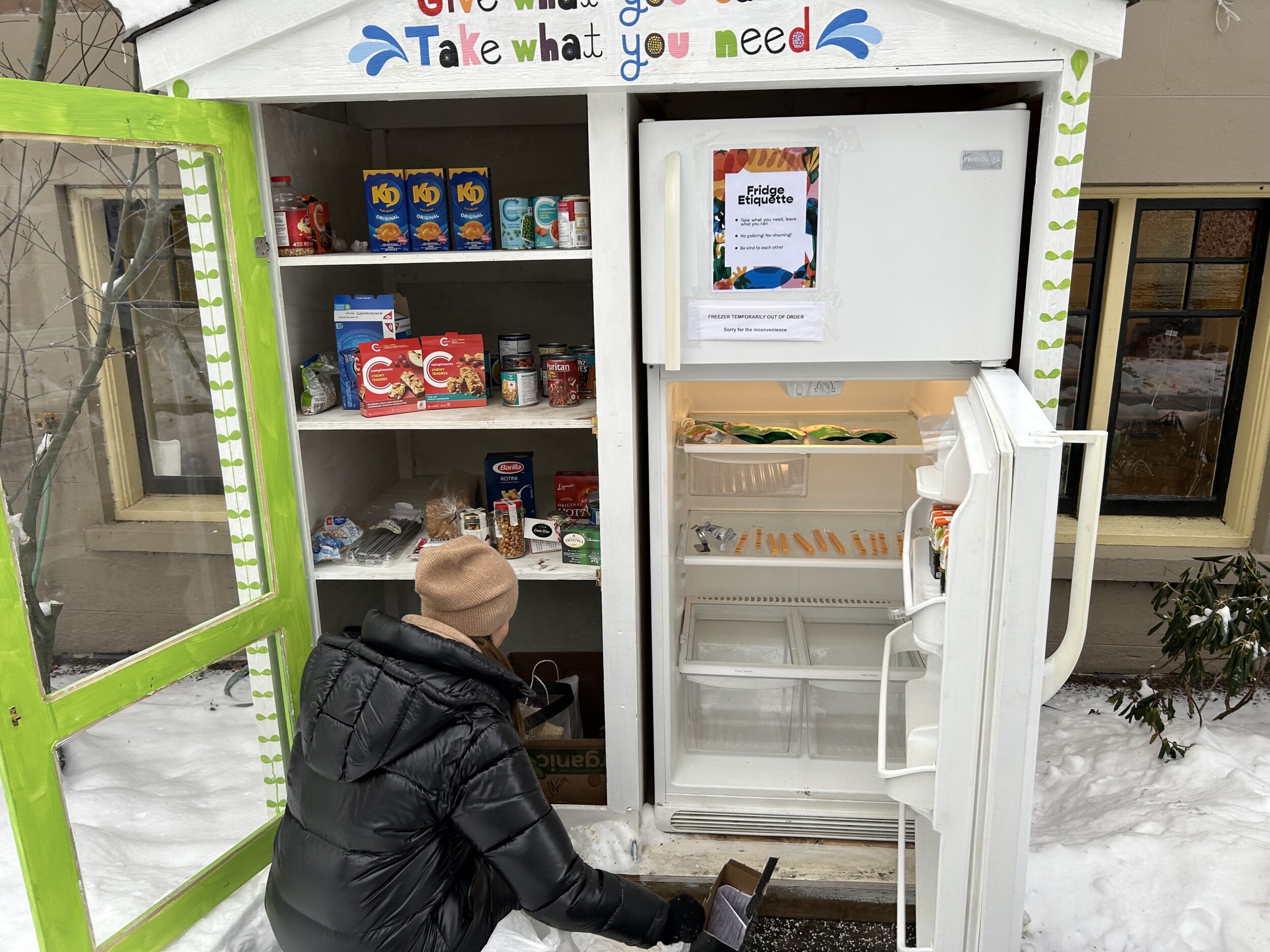
“Neighbourhoods like West Point Grey have what I would call a hidden culture of need. It’s often difficult when you seem to be comfortable but you’re actually challenged and can’t meet needs. It leads to a kind of shame,” says Archdeacon Richard Leggett, Interim Priest at St. Helen’s West Point Grey. “But I can tell you, having lived in a neighbourhood like this for more than 25 years, there are lots of people here who struggle from day to day.”
Unlike traditional food banks, community pantries operate without set hours or registration requirements, making them more accessible for those who may be hesitant or unable to seek help through formal channels.
Lead pantry volunteer Mona Grenier, who helps maintain and stock pantries across the region, says these accessible food hubs play an important role.
“Not everyone feels comfortable going to a food bank,” says Grenier. “Community pantries are more informal and easier to access, they can make a big difference for people who might otherwise go without.”
Keeping the pantries stocked is a shared effort. Local residents regularly contribute groceries and household essentials, while businesses like Purebread Bakery donate unsold items at the end of the day, giving new life to day-old goods.
“It’s important for Purebread to give back to its community because we wouldn’t be here without them. Purebread started out at farmer’s markets and grew from there. So it’s a whole part of who we are at the core. Donating helps us give back to the community and show our appreciation for everyone else’s support, says Purebread Manager, Nicole Kirkman.
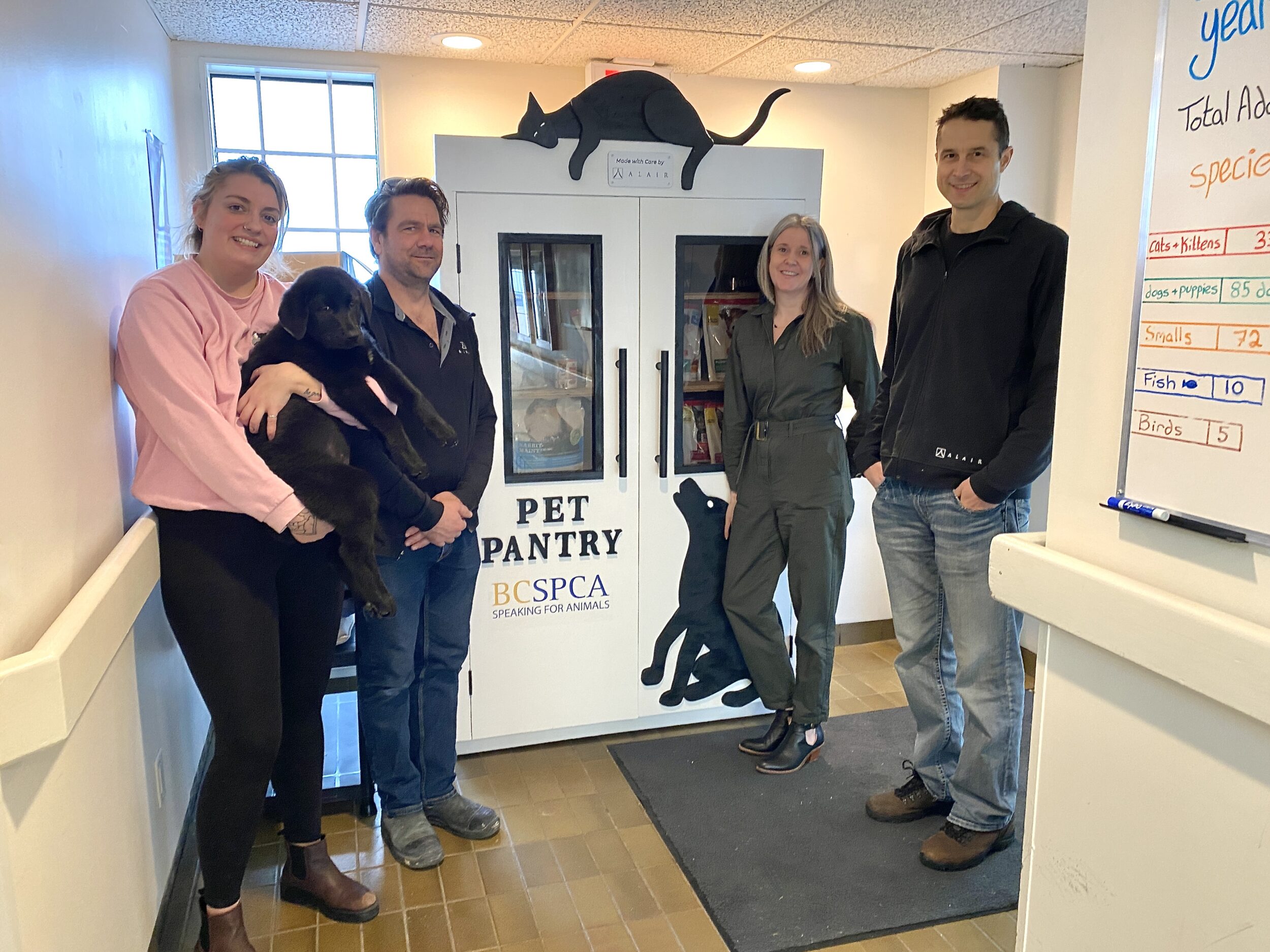
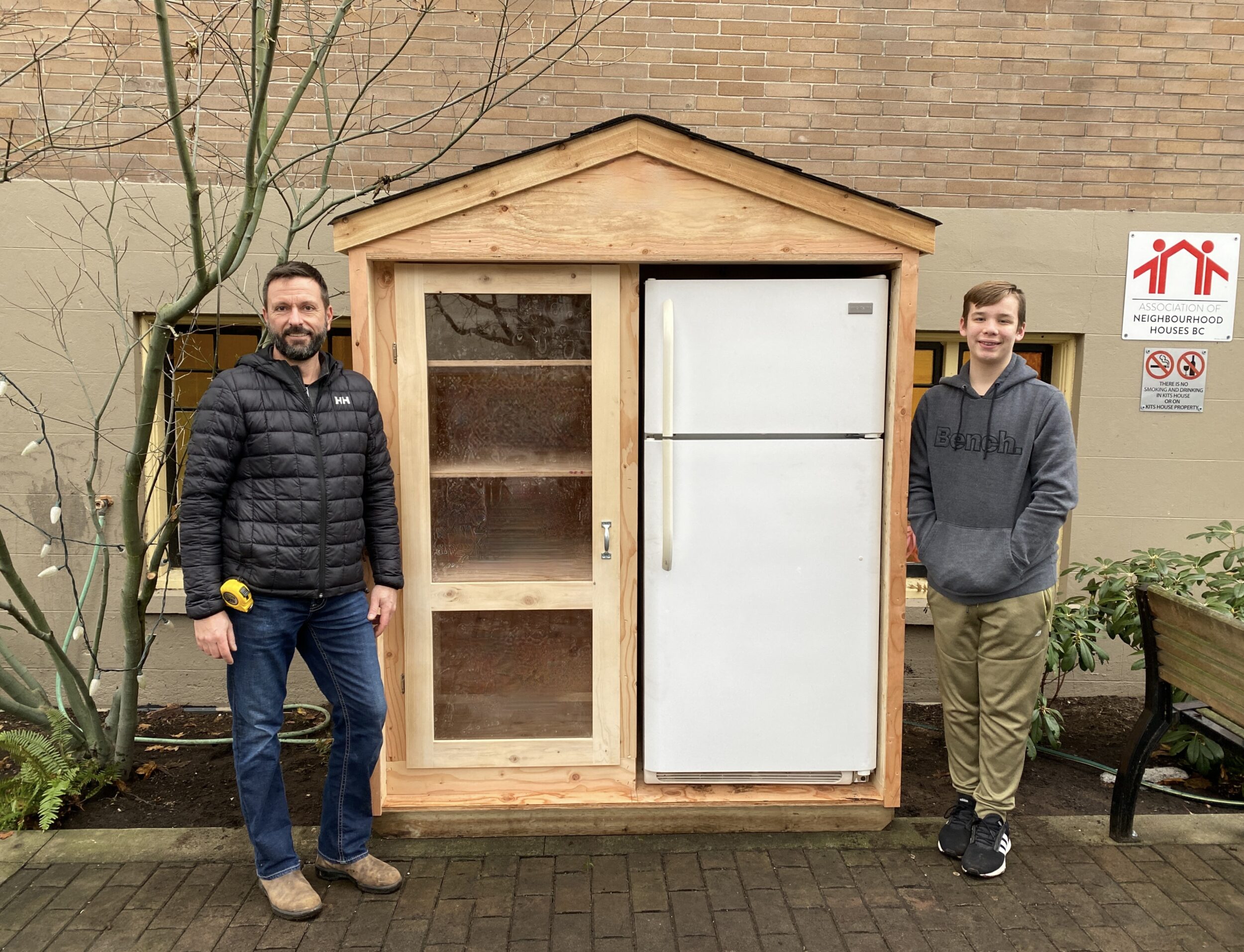
Each pantry built by Alair is customized for its location, designed to be durable, functional, and easy to maintain. In addition to the St. Helen’s installation, the team has donated pantries to a number of other locations, including the Kitsilano Neighbourhood House, St. Mary’s Church in Kerrisdale, and Or Shalom Synagogue in East Vancouver. The initiative has also expanded to include a pet pantry at the Vancouver BC SPCA shelter and a Community Gift Box at the Mount Pleasant Neighbourhood House that’s used for household goods, books, and toys.
“We have a standard set of plans that we build from, We donate all the materials, all the labour, but then we look at the location, look at the needs of what the pantry is, the size of it, and we’ll customize it to suit the location,” adds Nielsen.
Back at St. Helen’s, the newly installed pantry is already being used, stocked with hearty basics like bread, pasta, canned fruits and vegetables and beans.
“I try to buy cans of tuna and chicken and turkey and that sort of thing, sardines and whatnot, so that people have something that will stick to their ribs,” says Pam, a local resident who makes regular contributions to her neighbourhood pantry.
In a region where food insecurity is often less visible, these small structures are making a meaningful impact, one neighbourhood at a time.
Looking to add a community pantry to your neighbourhood? Be sure to get in touch. We are happy to review your proposal or share our pantry plans so that you can build your own. To see more about our community pantry project, check out our video below.