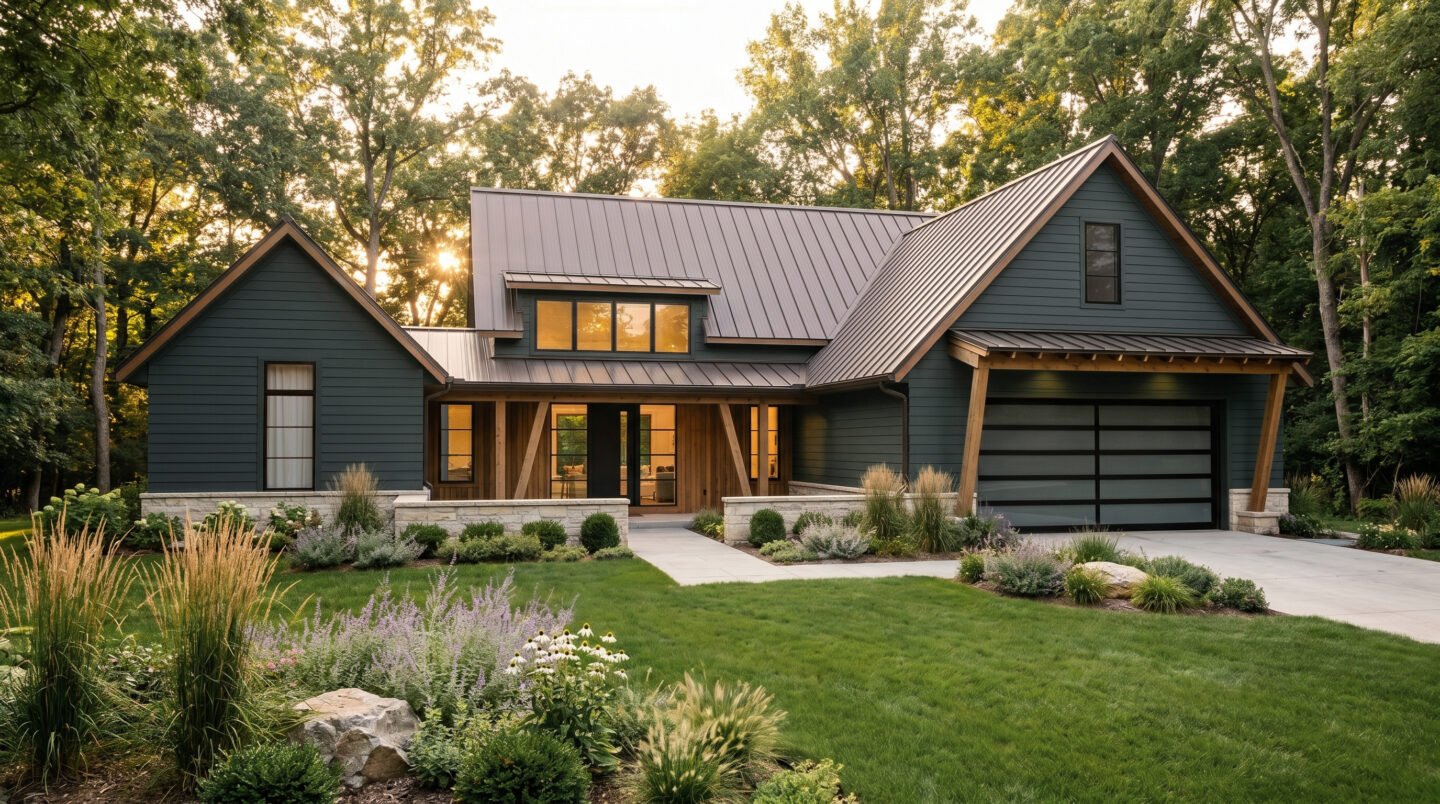

When most people think about renovating a home, they picture the finished product – new cabinets, updated flooring, reworked layouts, and modern fixtures.
But the reality is, the success of any renovation has very little to do with what you see – and everything to do with what you don’t.
Whether you’re buying a fixer-upper or updating your current home, here are the three things we always evaluate first before moving forward with any renovation project.
Start With the Foundation (Literally)
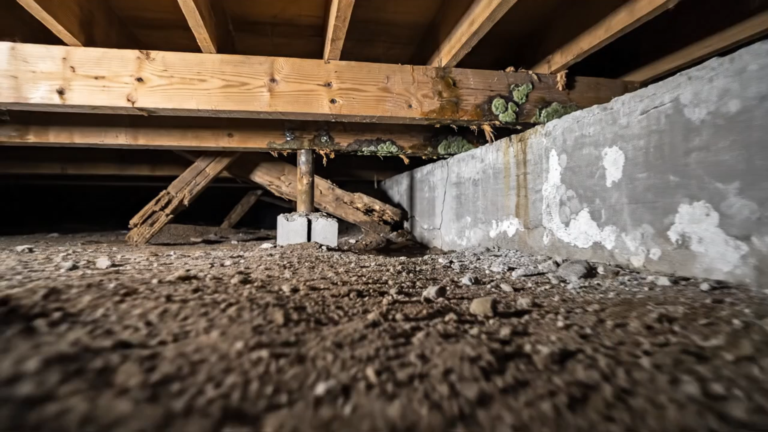
Before you think about finishes, you need to know: Is the house structurally sound – and is it staying dry?
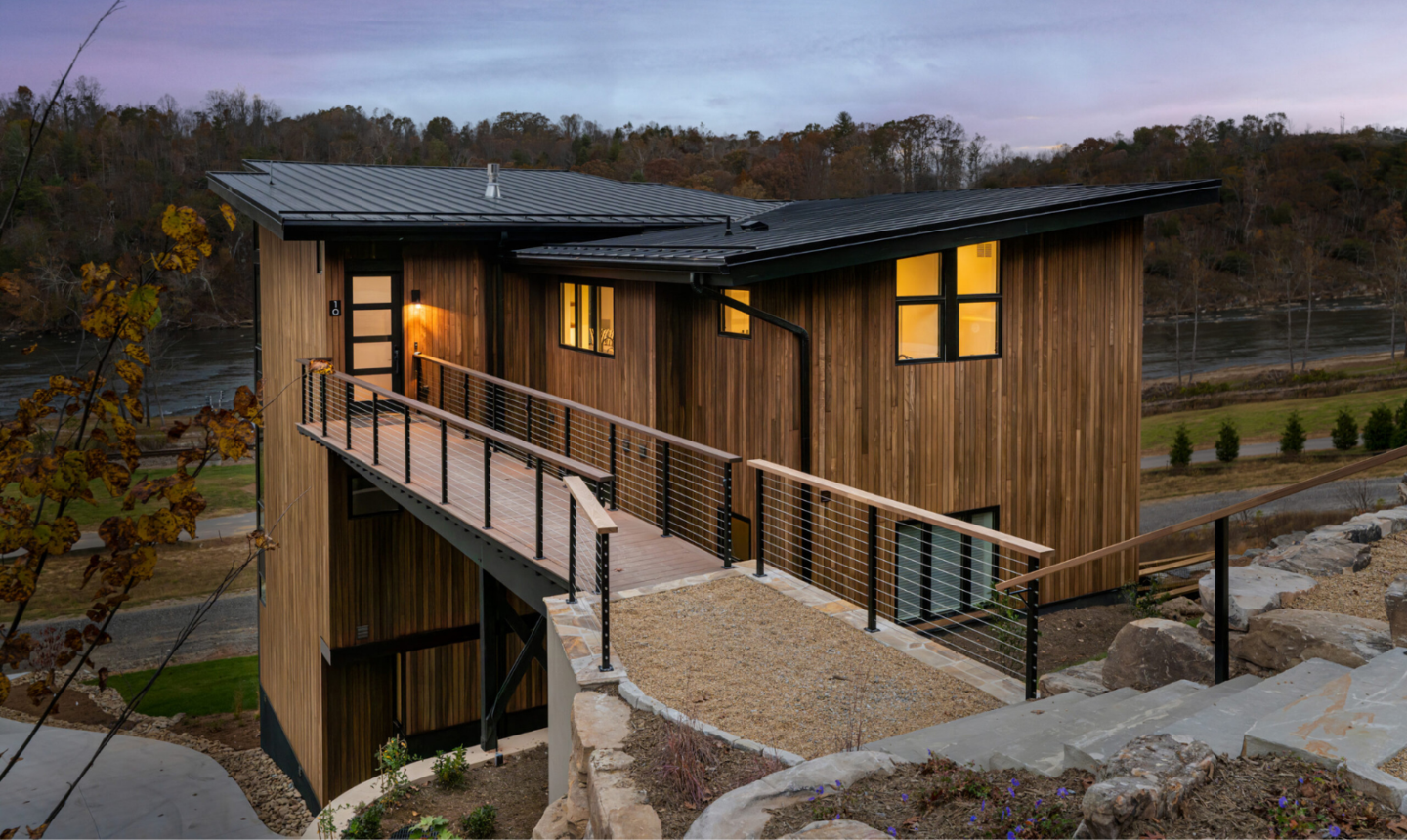
In places like Western North Carolina, this is especially important. Many homes are built on slopes, with older construction methods that didn’t always account for long-term water management.
We’re not just looking for cracks – we’re looking at:
- How water moves around the home
Whether the grading directs water away or toward the structure - Signs of moisture intrusion, mold, or long-term saturation
Retaining walls and surrounding materials (and whether they’re holding up) - A home can appear structurally fine but still have hidden moisture issues that lead to major health and durability concerns.
If you’re renovating, this is step one. No exceptions.
Understand the “Bones” of the House
Once the foundation is solid, we move to what we call the bones – the structural and performance components of the home.
This includes:
- Framing
- Roof condition
- Windows and doors
- Air sealing and insulation
- Overall structural integrity
- Here’s where budgets can shift quickly.
You might walk into a home thinking it needs cosmetic updates – only to discover roof leaks or inefficiencies that require immediate attention. Suddenly, part of your renovation budget is redirected to things you won’t even see when the project is done.
But this is also where the real value lies.
Improving the bones of a home doesn’t just protect your investment – it makes the home more comfortable, efficient, and durable for years to come.
Then (and Only Then) Focus on Cosmetics
This is the part everyone gets excited about – and for good reason.
Cosmetic updates are what transform a home visually and functionally:
- Cabinetry and finishes
- Flooring and trim
- Fixtures and appliances
- Layout changes and reconfigurations
In many cases, especially with homes built in the 80s or 90s, a cosmetic renovation can go a long way in bringing a home into modern living standards.
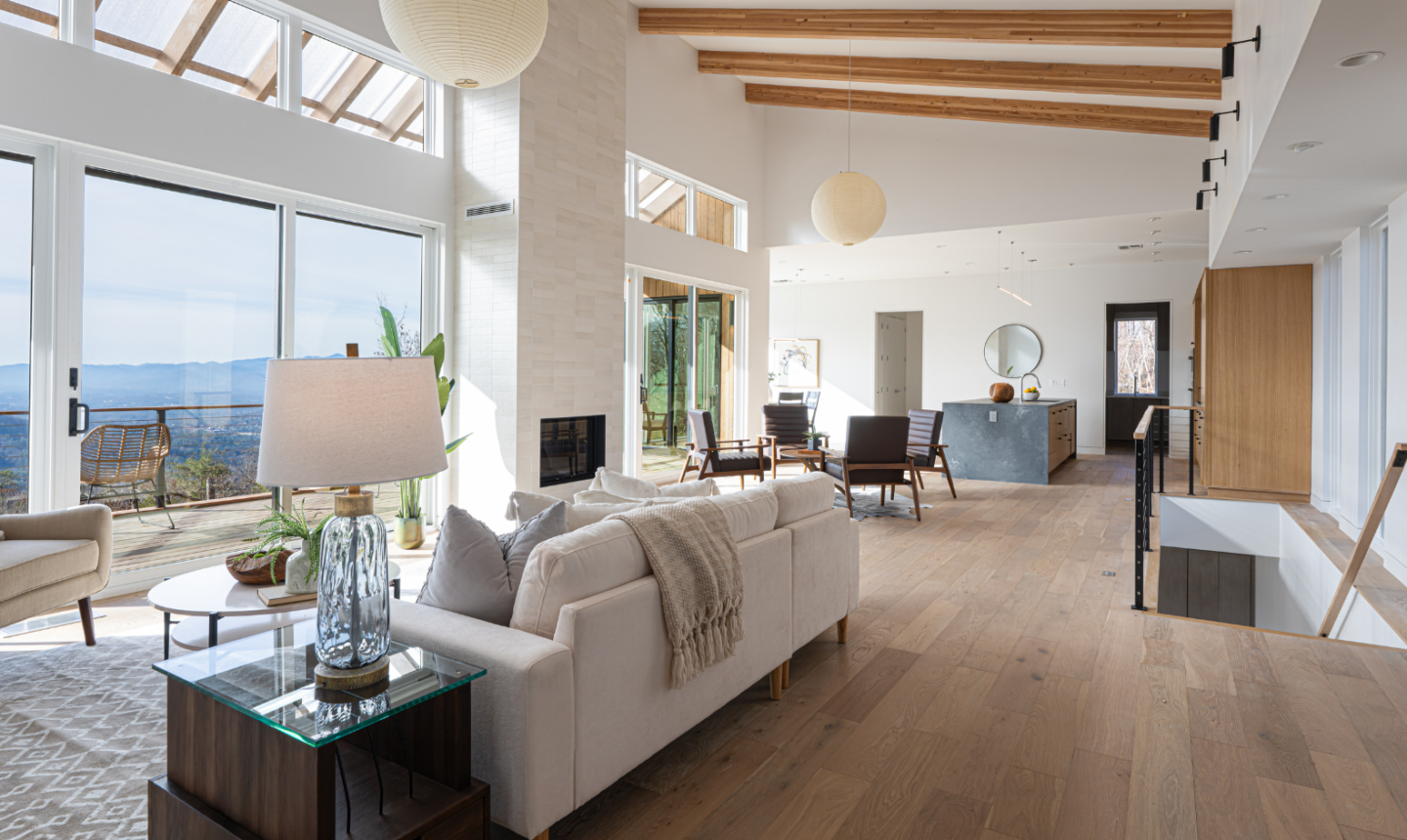
But the real opportunity here isn’t just in how the home looks – it’s in how it lives.
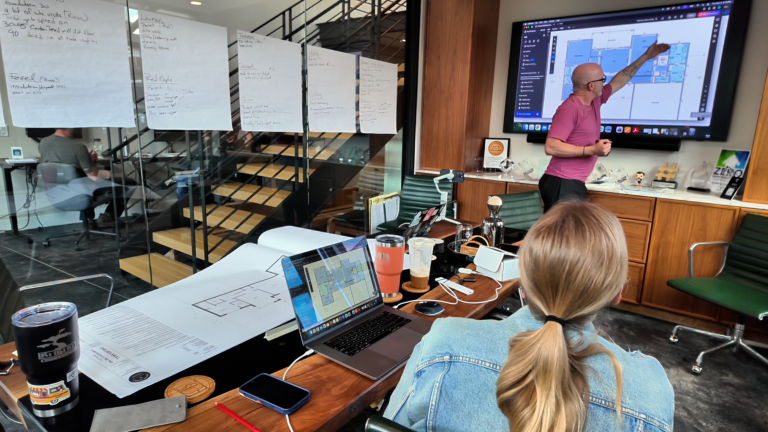
That’s where thoughtful design comes in.
Design Is More Than Selections – It’s How You Live
One of the biggest advantages of a design-build approach is the ability to think holistically about your home.
It’s not just:
- What cabinets you choose
- What tile you install
It’s:
- How you move through the space
- Where natural light enters
- How rooms connect and function together
- How your home supports your day-to-day life
From window placement to furniture layout, every decision plays a role in creating a home that actually works for you.
Final Thought: Don’t Skip Ahead
The biggest mistake we see?
Homeowners jumping straight to aesthetics without addressing the underlying structure.
A beautiful renovation on top of unresolved issues doesn’t last – and often ends up costing more in the long run.
If you’re considering a renovation, start with the fundamentals:
- Foundation & water management
- Structural bones
- Then – and only then – cosmetics
That’s how you create a home that not only looks good, but performs well for years to come.
Learn More Here!