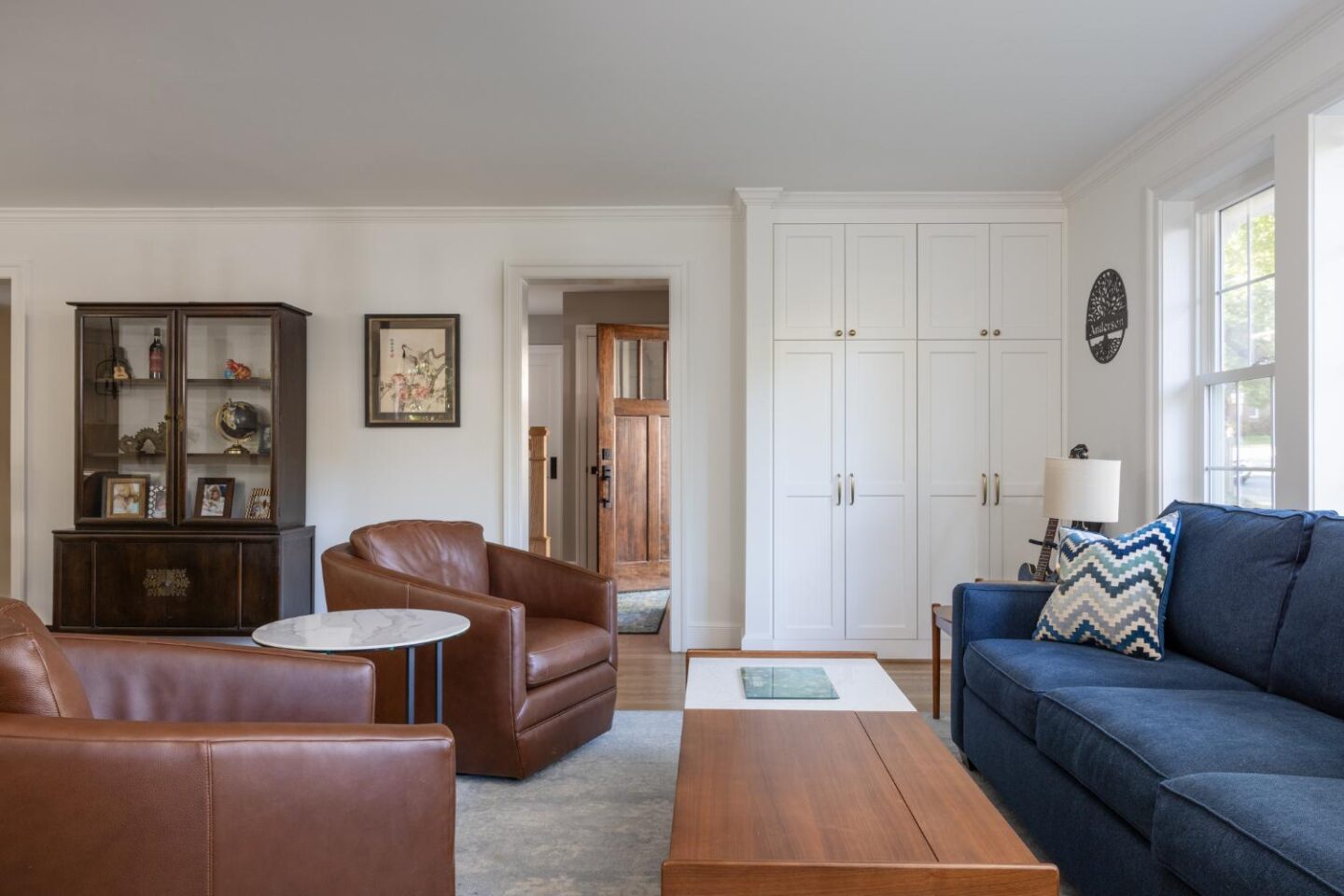

Building a custom home in Northern Virginia requires thoughtful planning, clear communication, and a team capable of executing at a high level. When that home is designed to meet LEED Gold standards, the process becomes even more intentional.
Our team recently completed a LEED Gold-certified home that reflects what sustainable, high-performance construction should deliver in real life—not just on paper.
Here’s what we learned, what it meant for our clients, and why it matters for anyone considering a custom home build.
What is LEED and Why Does it Matter for Northern Virginia Homeowners?
LEED stands for Leadership in Energy and Environmental Design and is the most widely recognized green building rating system in the world. LEED sets rigorous standards for how a home is designed, built, and operated across categories such as energy efficiency, indoor air quality, water use, and material sustainability.
Andrew Hall, Sr. Project Manager, Alair Arlington & Alair Falls Church
But LEED isn’t just a plaque on the wall. For homeowners who pursue it, the certification translates into real, measurable benefits:
- Lower utility bills from high-performance systems
- Healthier indoor air quality
- Long-term durability and efficiency
- A long-term investment that builds and holds value
A LEED Gold Custom Home in Northern Virginia: Built for Performance
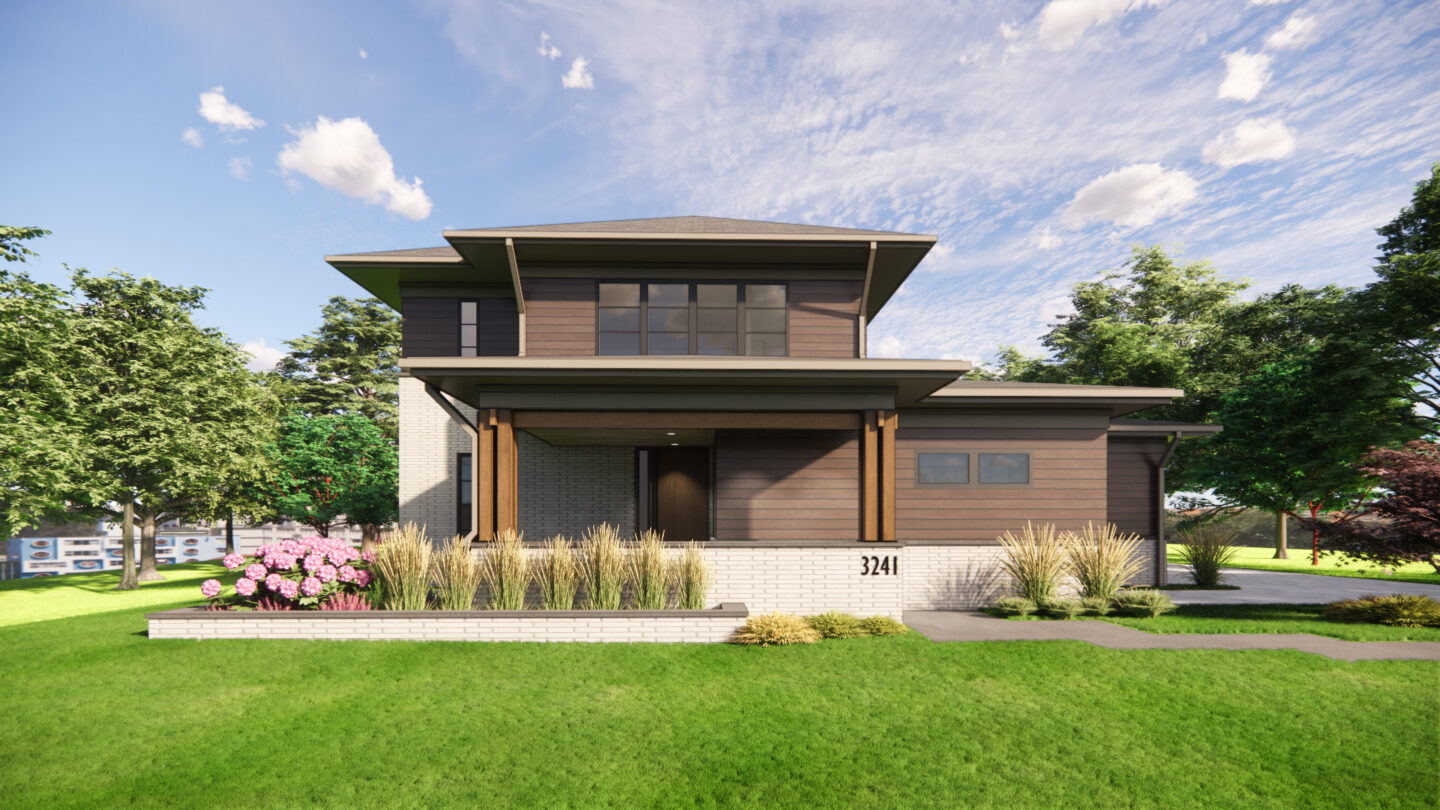
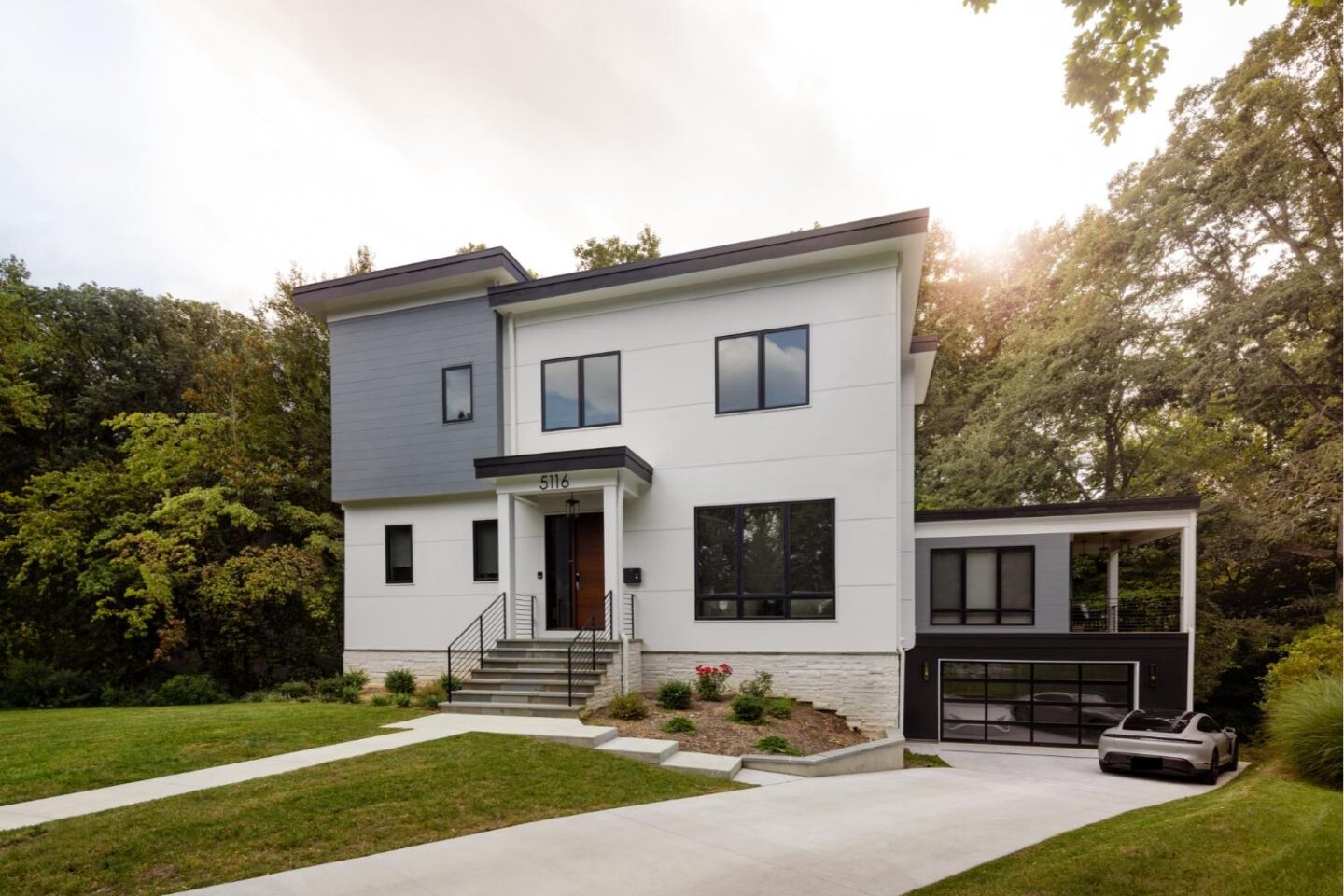
Alair Arlington completed a contemporary energy-efficient custom home that recently earned LEED Gold certification — one of the most demanding achievements in residential construction.
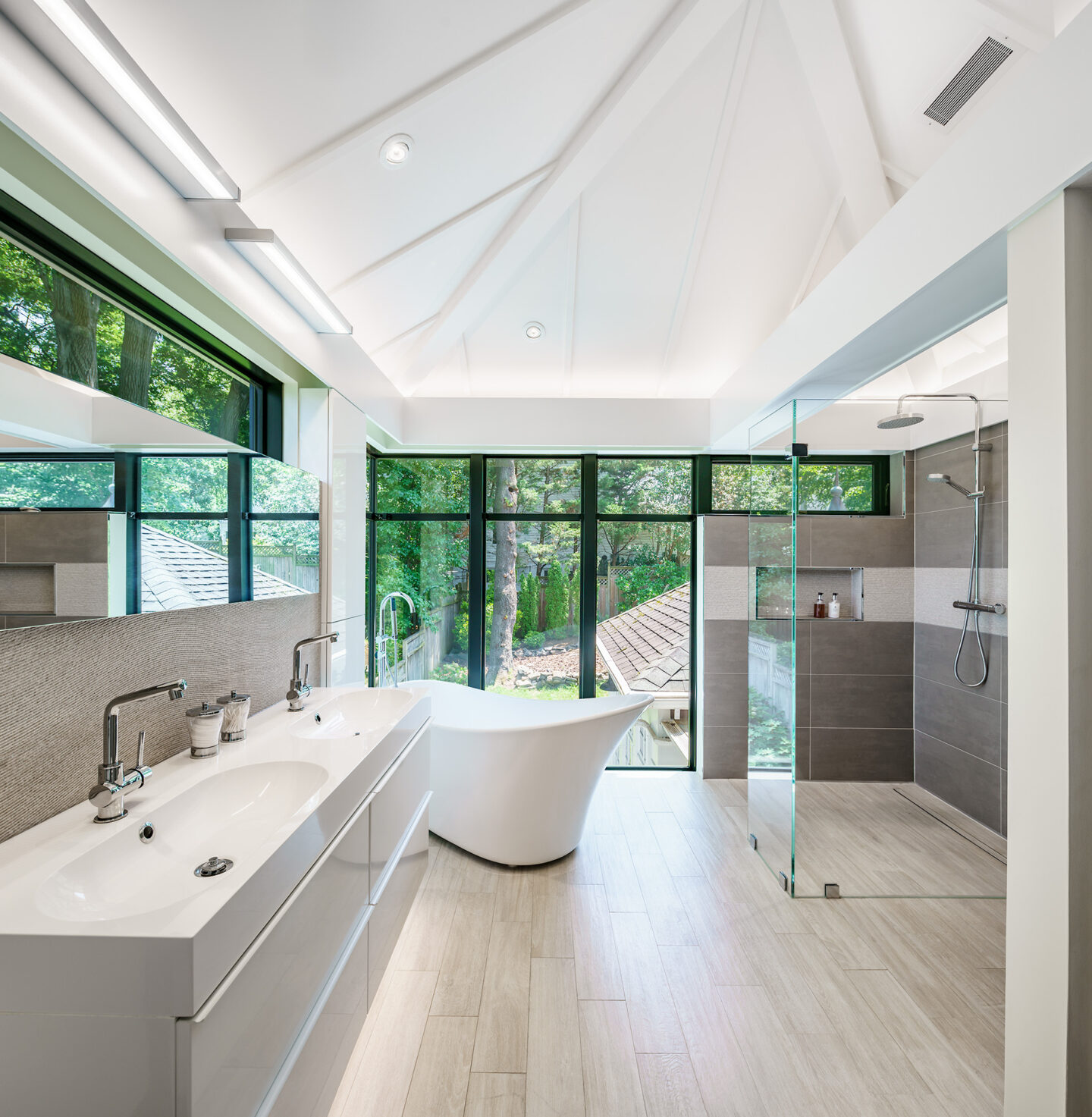
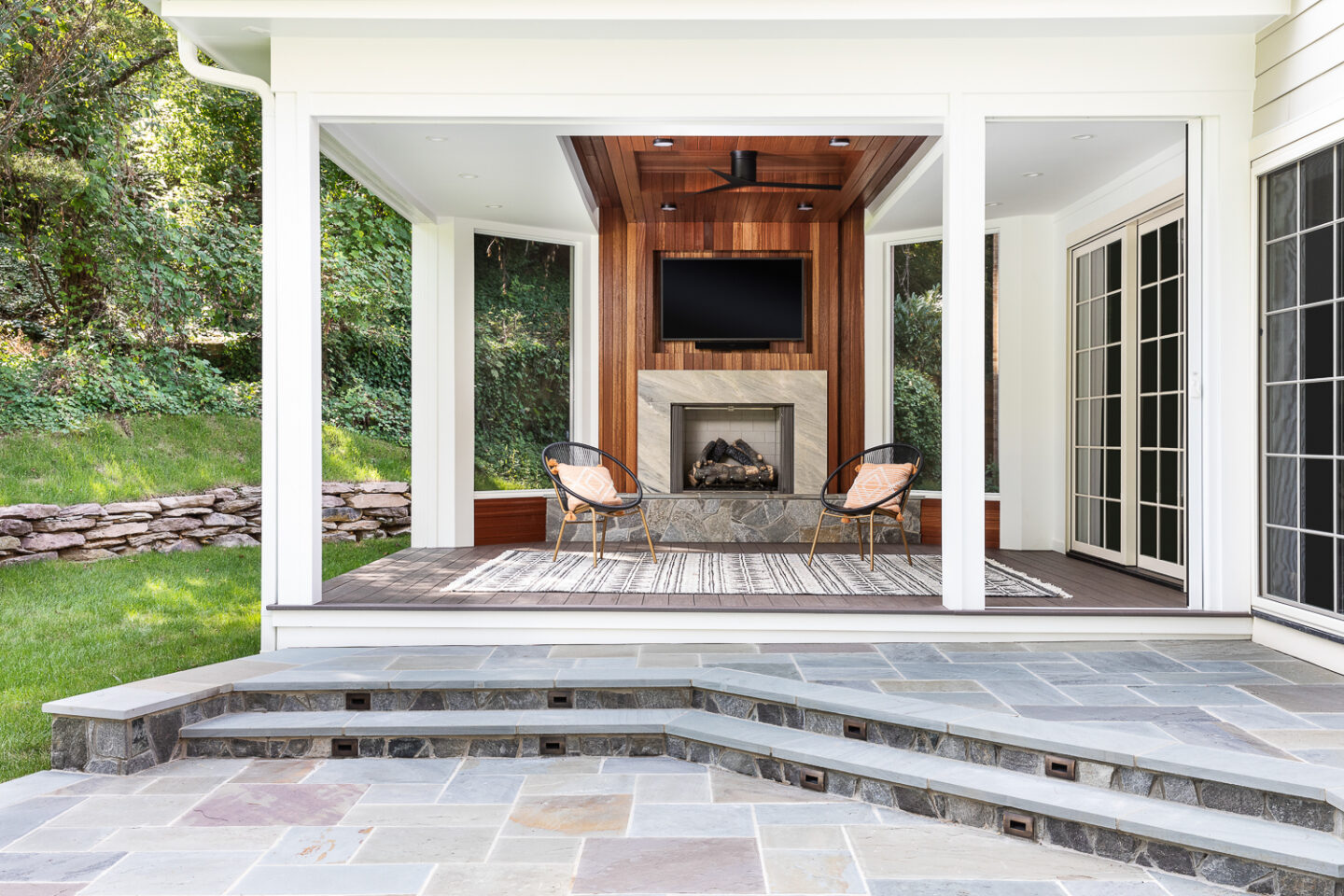
This 4,600+ square-foot home spans three fully finished levels and features five bedrooms, four bathrooms, and a suite of high-performance systems that make it smart and efficient.
- Insulated Concrete Form (ICF) foundation system extending from the basement through the first floor that not only lowers energy bills by preventing heat loss but also offers remarkable durability, fire resistance, and sound insulation.
- Two-zone HVAC system for precise climate control across different areas of the home
- Three levels of Warmboard radiant floor heating provide consistent, efficient warmth that standard forced-air systems simply can’t match.
- Tankless water heaters and carefully vetted mechanical systems that round out a home operating at a genuinely different level
Andrew Hall, Sr. Project Manager, Alair Arlington & Alair Falls Church
At project completion, Alair’s trade partners personally walked the homeowners through every system, demonstrating how to use and maintain each one. A LEED-certified home performs best when properly maintained, so we set our clients up to succeed from day one.
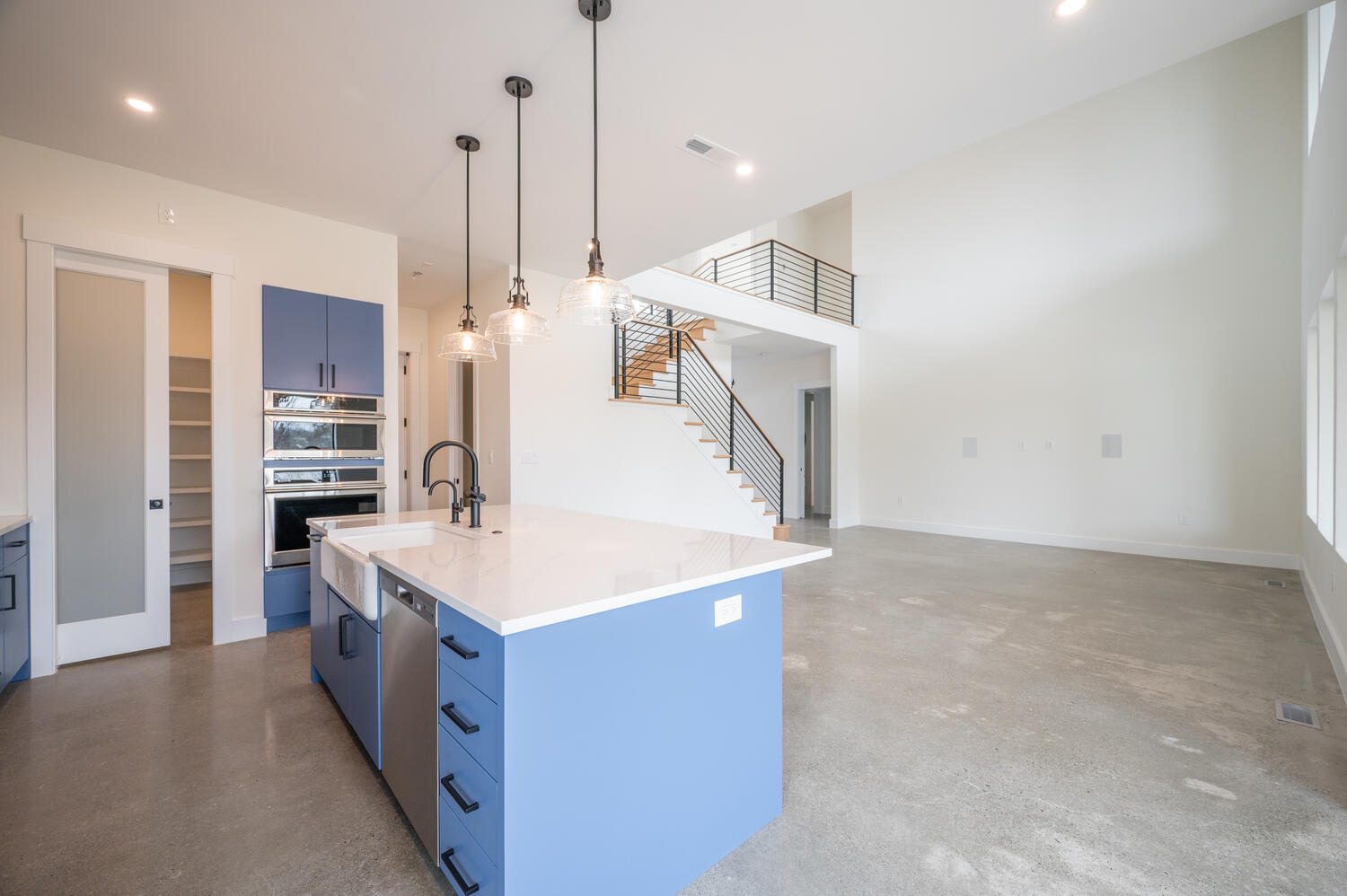
For an energy-efficient heating solution, we installed a Warmboard radiant heating system across all three levels of the home, carefully integrated with the unique four-inch polished concrete floors.
How the LEED Certification Process Works
LEED certification isn’t something added at the end of a project but rather built into the process from day one.
For this particular project, the homeowners specifically requested a LEED-certified home, so we brought on a third-party LEED certifier before construction even began. That early involvement shaped decisions from the start, ensuring the design and construction approach aligned with certification requirements.
During construction, we consulted regularly with a LEED-certified Energy Rater, who advised us on construction techniques and methods to earn the maximum points and achieve Gold-level certification.
A big part of the certification process is documentation. Our team diligently documented all our means, methods, and equipment throughout construction and submitted them to the Energy Rater as additional evidence of our LEED-conforming details.
From a construction standpoint, the process stayed smooth because the framework was established early. The real challenge in achieving LEED certification wasn’t execution—it was patience. Once everything is submitted, the certification review process takes time and requires a willingness to let it run its course.
What Northern Virginia Homeowners Should Know if They are Considering a High-Performance Home
One of the most important things our team learned through the LEED certification process is that many of the standards required for LEED certification are already part of Alair’s construction practices: two-zone HVAC systems, properly vented mechanical equipment, drainage details, and insulation standards.
Andrew Hall, Sr. Project Manager, Alair Arlington & Alair Falls Church
Pursuing LEED certification gave us a framework to see our own standards more clearly. And it pushed us to keep raising them.
What does that mean for homeowners who aren’t pursuing formal certification but still want a high-performance home?
At Alair Arlington, that comes down to transparency in how we build from day one. Every project starts with clearly defined standards, so homeowners understand exactly what is being included, why it matters, and how it impacts performance and budget.
We build to high standards on every project, whether we are pursuing LEED or not. And for homeowners who do want to pursue certification, our team has walked that road and knows exactly what it takes.
Building at the Highest Standard in Northern Virginia
Whether it’s a remodel, a teardown and rebuild, or a fully certified sustainable home, our process is the same: lead with high standards, be transparent from day one, and build something that lasts.
Andrew Hall, Sr. Project Manager, Alair Arlington & Alair Falls Church
If you’re considering a custom home in Northern Virginia and want to build a home that performs as beautifully as it looks, connect with us today.