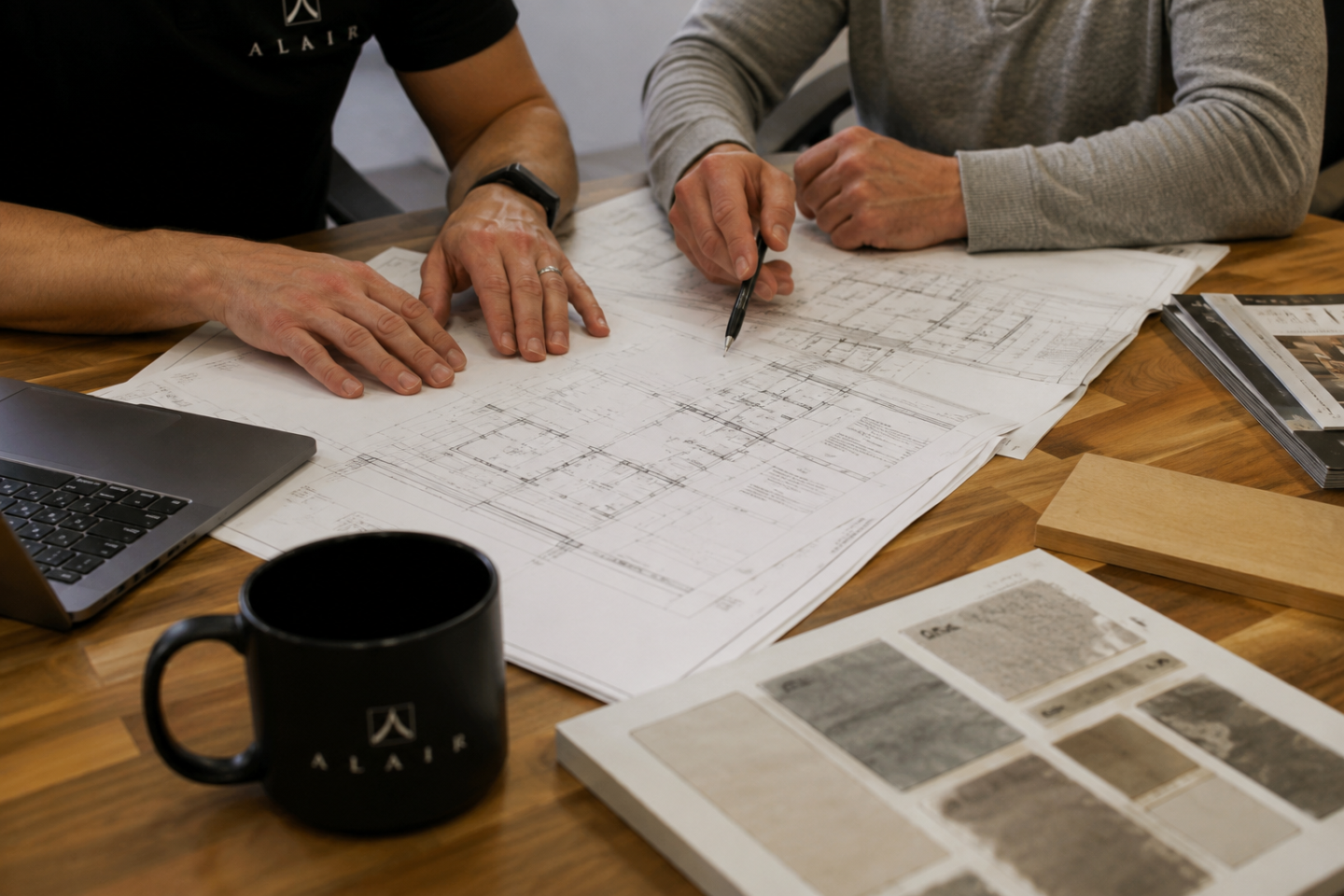

1. Planning Comes First — Before Any Commitments Are Made
The biggest mistake we see in residential construction is jumping too quickly into a build contract before decisions are properly worked through.
A transparent process separates:
- Planning (design, budget, feasibility)
- Construction (execution)
That means:
- You understand the full scope before committing
- You see real pricing from trades — not allowances
- You can adjust and value engineer before construction starts
At a high level, you’re building the project on paper first — together — so there are no surprises later.

2. Real-Time Budget Visibility (Not Summaries After the Fact)
Transparency isn’t about getting an update once a month.
You should expect:
- Full visibility into every cost
- Access to actual trade quotes
- The ability to approve or reject costs before they happen
If you’re building a high-end home, your budget isn’t a suggestion — it’s an actively managed tool.
A transparent system allows you to:
- Track spending in real time
- Understand where money is being allocated
- Make informed decisions as the project evolves
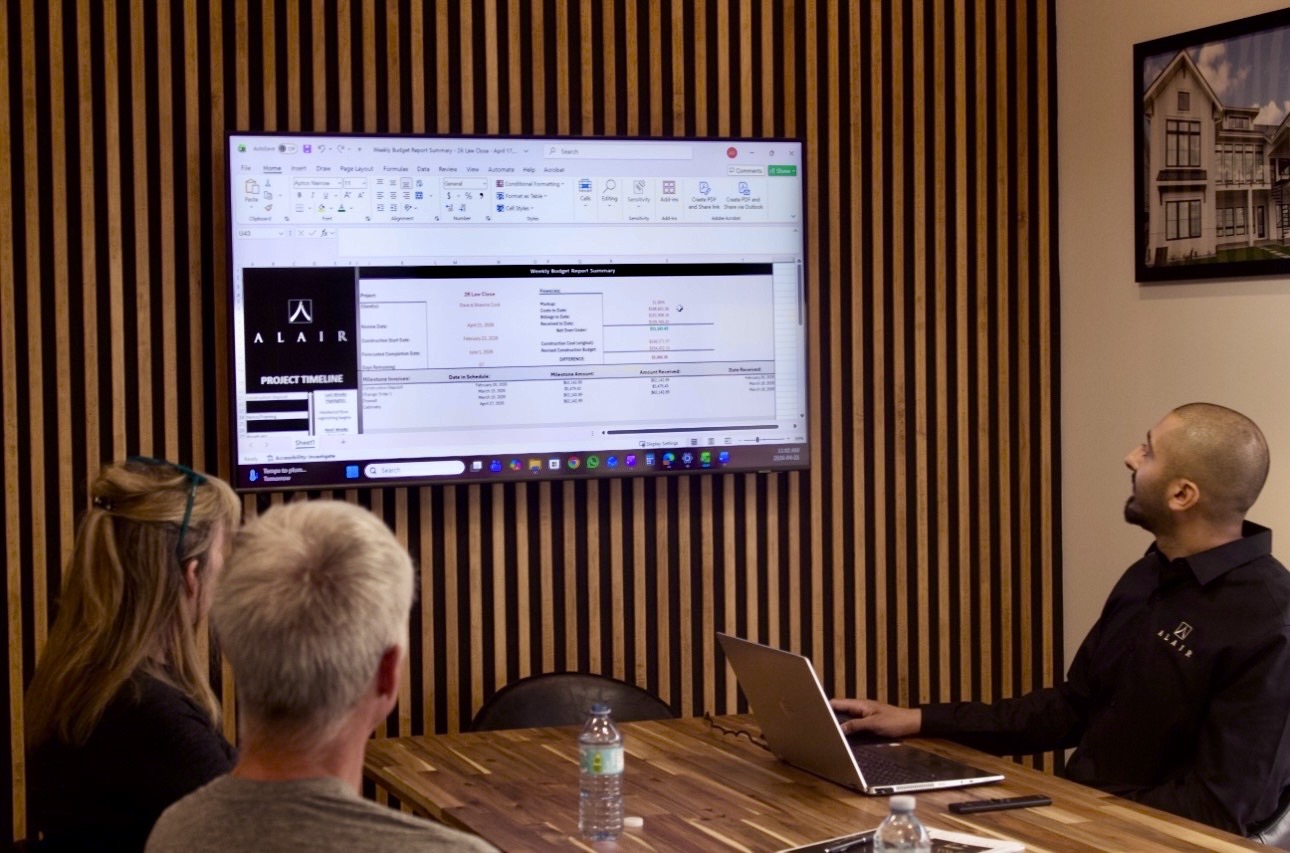
3. Decisions Are Made Collaboratively (Not Behind the Scenes)
In a traditional model, decisions often happen between the builder and trades, then get passed along to the client.
That’s not how a high-end process should work.
Instead:
- You’re part of the decision-making process
- You review options with your builder and design team
- You understand the implications of every choice before proceeding
This applies to everything from structural changes to finish selections.
The goal isn’t to overwhelm you — it’s to make sure you’re never in a position where you’re reacting instead of guiding your project.
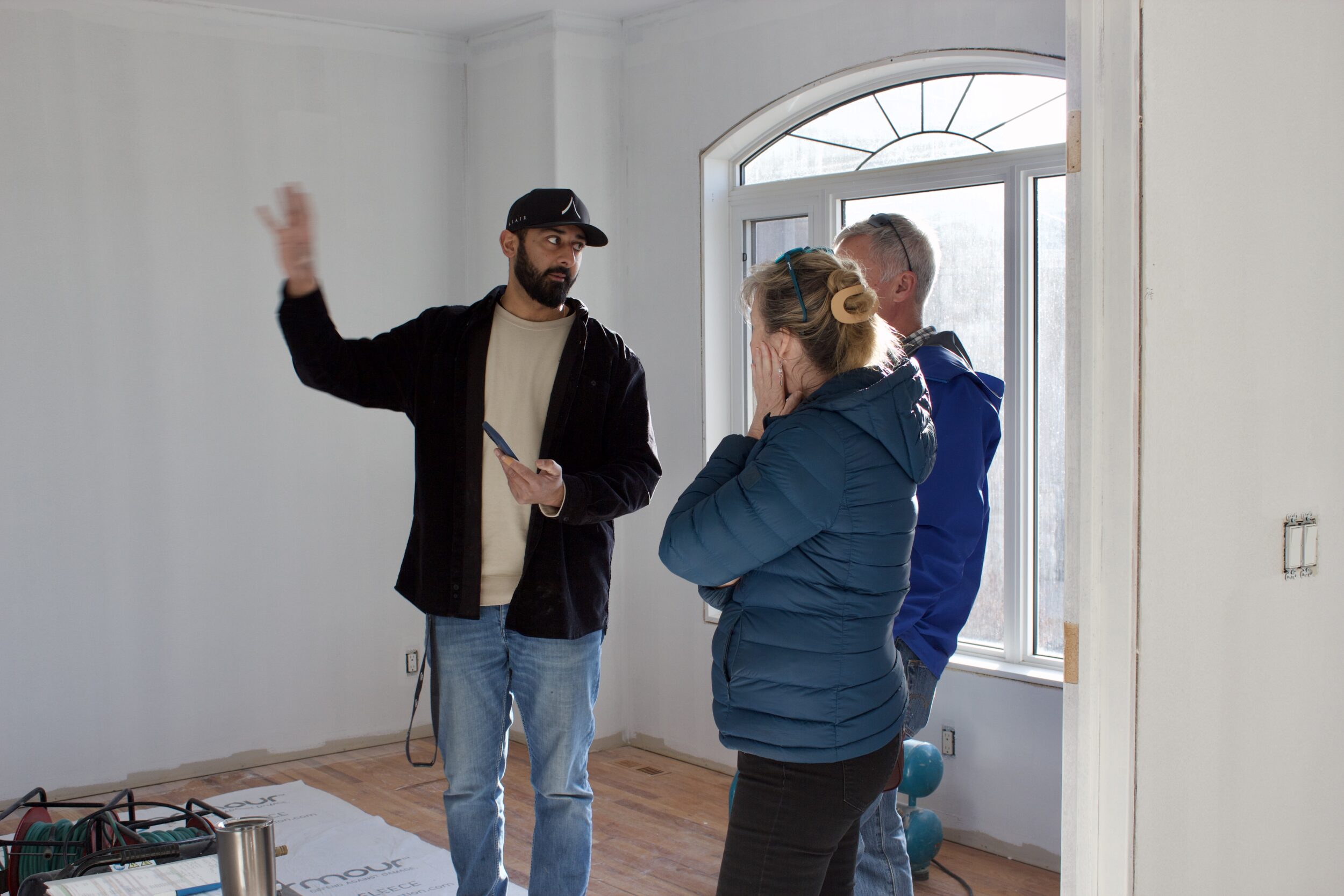
4. Trade Pricing Is Open — and Competitive
One of the advantages of a transparent process is that it forces accountability across the entire team.
You should expect:
- Multiple trade quotes where appropriate
- Clear breakdowns of materials and labour
- An understanding of how decisions impact price
This is especially important in Central Alberta where:
- Trade availability can fluctuate
- Pricing can vary depending on timing and demand
- Local relationships matter in getting both quality and value
Transparency keeps pricing competitive without compromising quality.
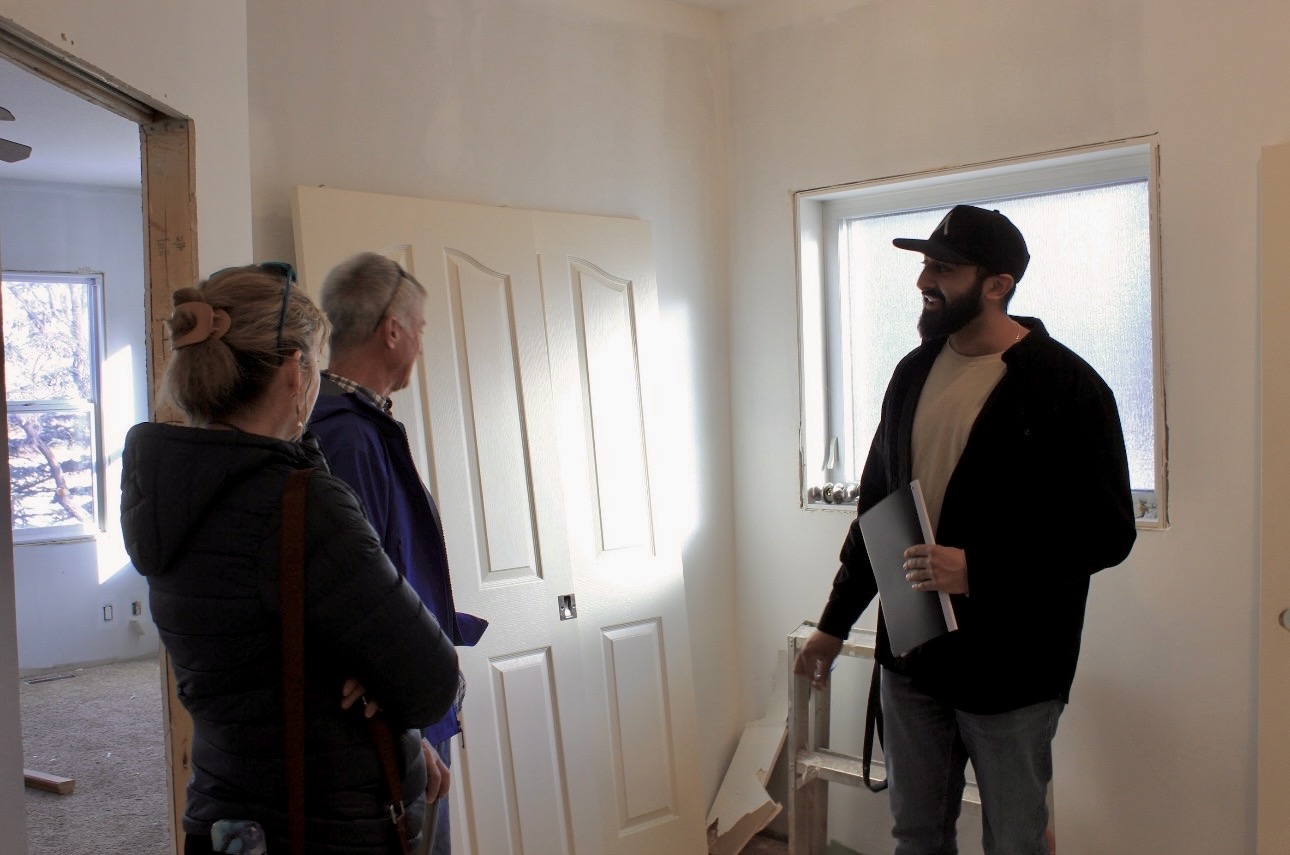
5. Communication Isn’t Optional — It’s Built Into the System
A well-run project doesn’t rely on chasing updates or wondering where things are at.
You should have:
- Regular updates on schedule and progress
- Clear communication on upcoming decisions
- A consistent point of contact managing the project
At the higher end, the experience matters just as much as the end result.
A polished process means the build feels organized, predictable, and professional — even when challenges come up (because they always do).
The Bottom Line
Transparency isn’t just about “seeing the numbers.”
It’s about:
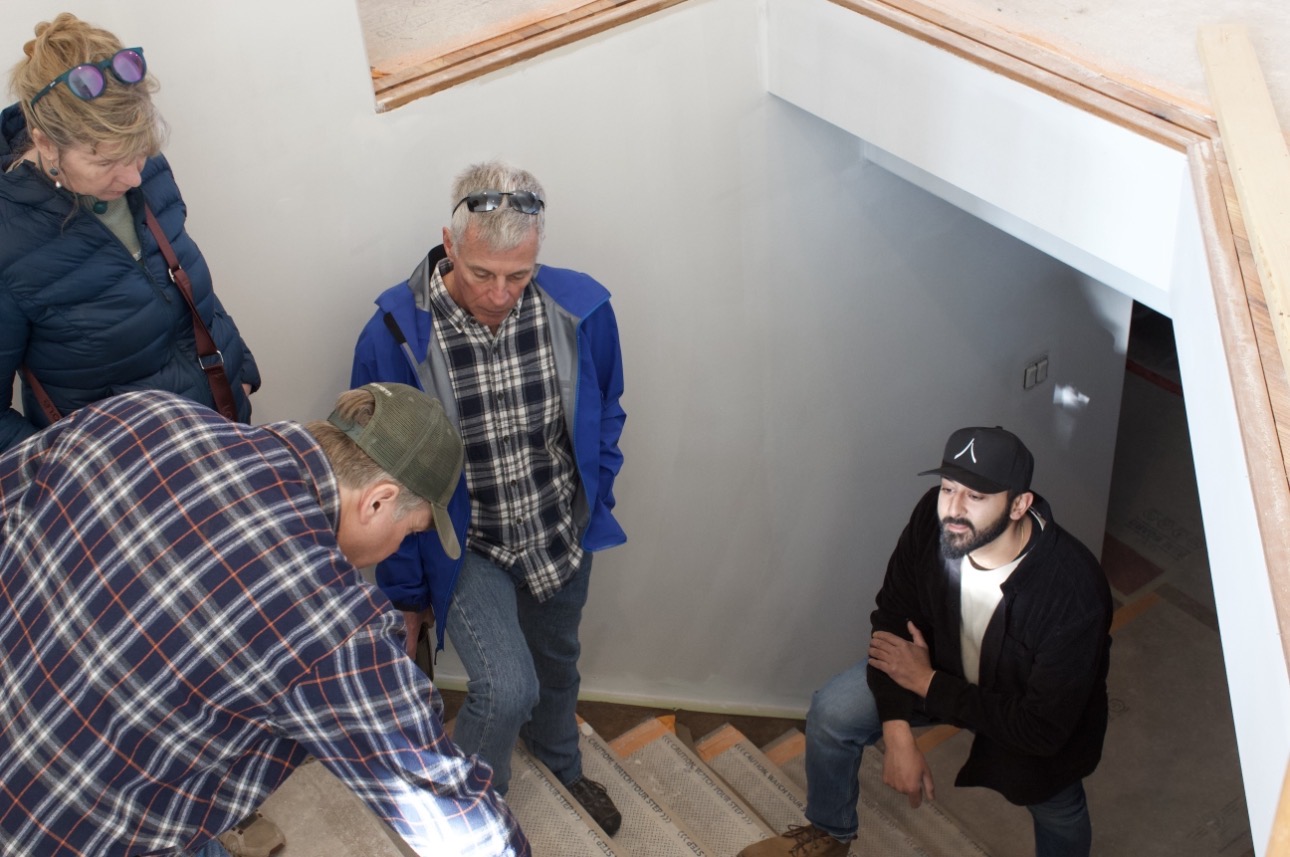
- Knowing what’s happening
- Understanding why decisions are being made
- Having confidence that your project is being managed properly
If you’re building a high-end home in Red Deer or Central Alberta, that level of clarity shouldn’t be a bonus — it should be the standard.
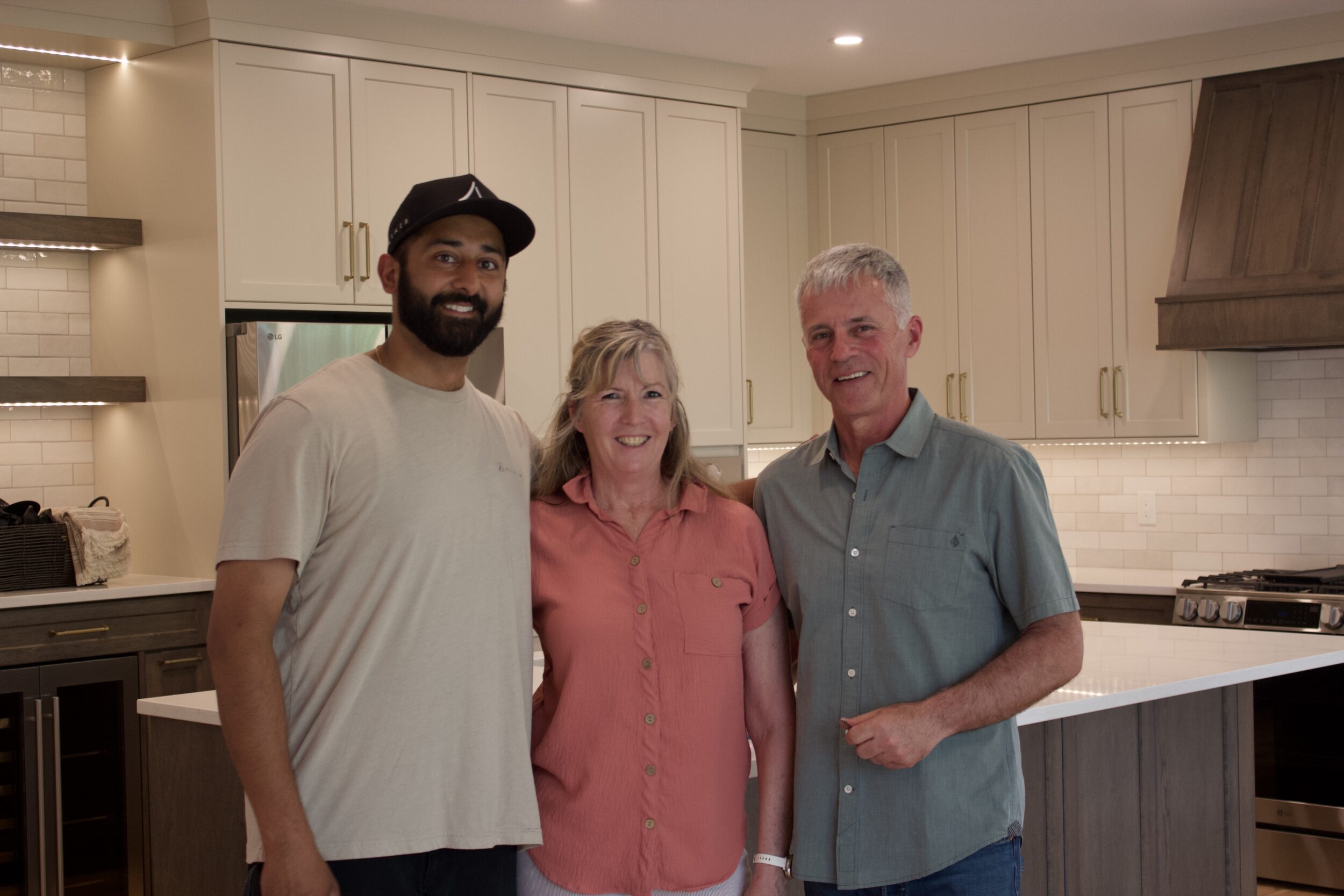
If you’re starting to think about a custom build, the best place to start isn’t drawings — it’s a planning conversation.
That’s where the entire project gets set up properly.