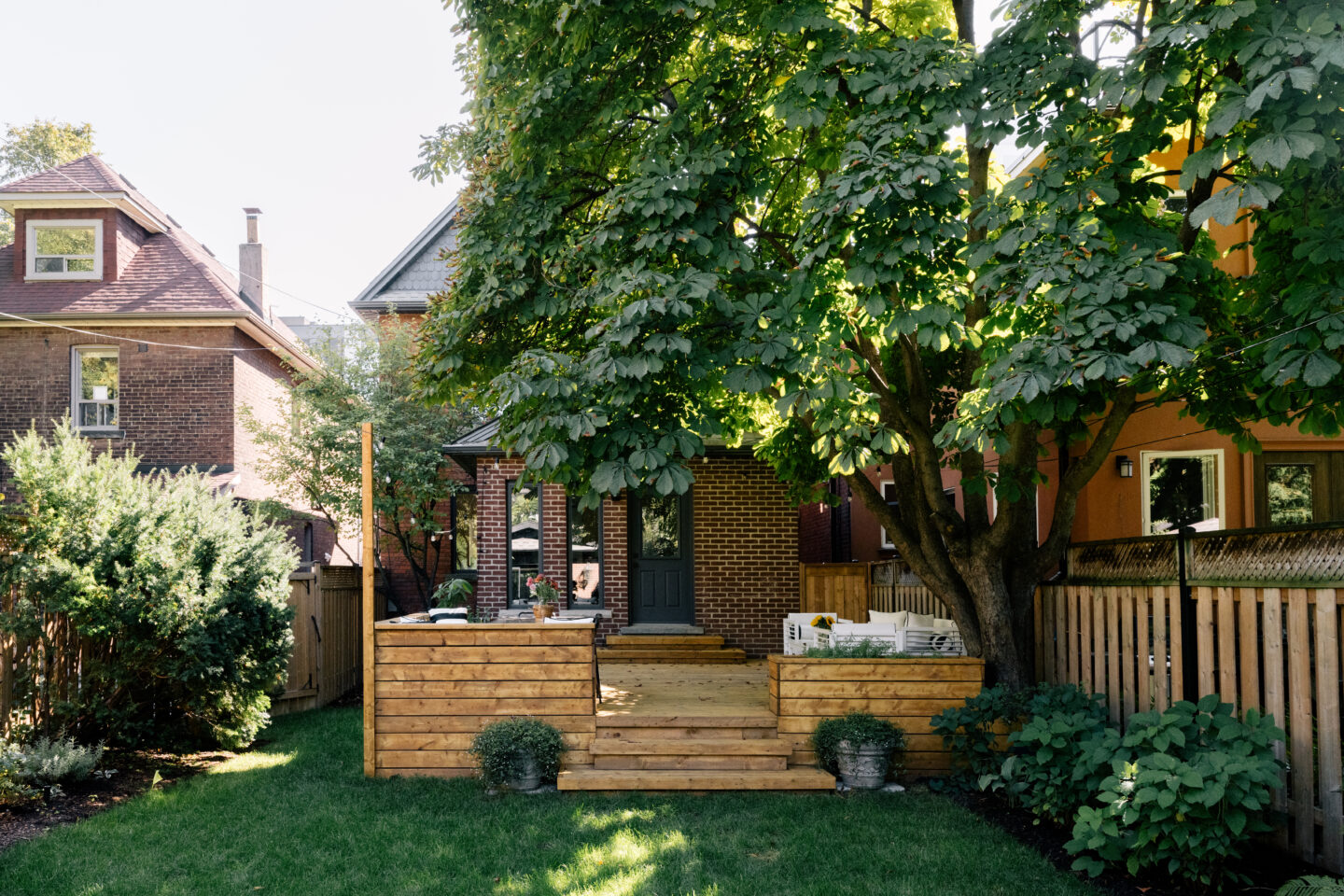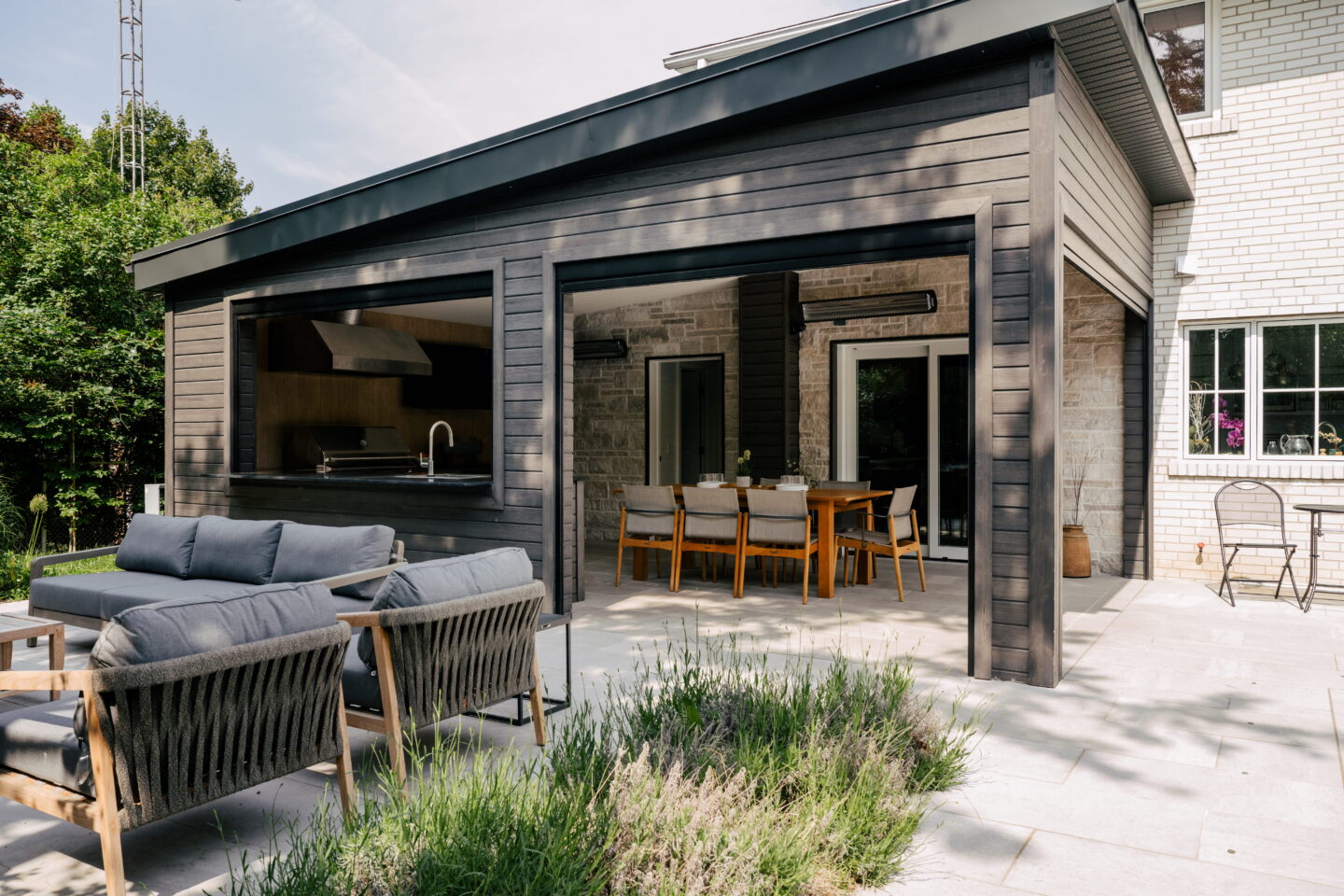

If you’ve ever embarked on a construction project—whether it’s a home renovation or a custom home — you’ve probably experienced delays that make you wonder: Why is this taking so long? The truth is, construction timelines are influenced by a variety of factors, many of which are outside your control. Let’s break down the most common reasons projects run longer than anticipated.
1. Underestimating the Scope
One of the biggest culprits is an overly optimistic timeline. Initial estimates often assume ideal conditions, but once work begins, hidden issues like structural damage, outdated wiring, or plumbing problems can surface. These require additional time and resources to fix.
2. Permits and Approvals
Securing permits can be a lengthy process, especially if your project involves zoning changes or environmental considerations. Delays in inspections or approvals from local authorities can stall progress for weeks or even months.
3. Weather Conditions
Mother Nature doesn’t always cooperate. Rain, snow, or extreme temperatures can halt outdoor work and affect material curing times, such as concrete setting. Seasonal planning is crucial to minimize weather-related delays.
4. Supply Chain Issues
Material shortages and delivery delays have become increasingly common. Global supply chain disruptions can affect everything from lumber to specialty fixtures, pushing timelines further out.
5. Labor Availability
Skilled labor is in high demand. If your contractor struggles to find qualified workers or subcontractors, tasks may take longer to complete. Scheduling conflicts among trades can also slow progress.
6. Design Changes
Every time you change your mind about a layout, finish, or feature, it impacts the schedule. Small adjustments can require reordering materials or revising plans, adding days or weeks to the timeline.
7. Unforeseen Site Conditions
Older buildings or undeveloped land often hide surprises—like asbestos, unstable soil, or outdated infrastructure—that require remediation before construction can proceed.
How to minimize delays:
- Plan thoroughly: Invest time in detailed planning and realistic scheduling.
- Communicate clearly: Maintain open communication with your contractor.
- Budget for contingencies: Allocate extra time and funds for unexpected issues.
- Avoid last-minute changes: Stick to your original design as much as possible.
- Delays are inevitable in complex construction projects—but they don’t have to derail your plans.

By understanding the causes, you can set realistic expectations, stay in control, and keep stress to a minimum throughout the journey. When you know the causes, you can trust your team to manage the challenges and keep your vision moving forward.